Tetraplegia (Quadriplegia)Four-Limb Paralysis Below the Neck (Tetraplegia)
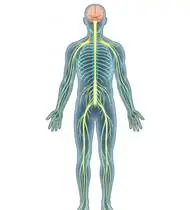
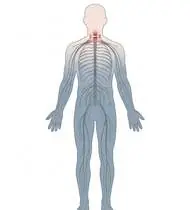
Tetraplegia (Quadriplegia) — Overview
Tetraplegia (Quadriplegia) results from a spinal cord lesion within the cervical segments (C1–C8/T1), impairing motor, sensory, and autonomic function across the upper extremities, trunk, lower extremities, and pelvic organs. Functional outcomes depend precisely on the single preserved cervical myotome: C1–C3 (ventilator-dependent, sip-and-puff power wheelchair), C4 (spontaneous diaphragmatic breathing intact, deltoid/biceps absent), C5 (Deltoid & Biceps intact—elbow flexion & power wheelchair joystick control), C6 (Wrist Extensors [ECRL/ECRB] intact—enables functional TENODESIS GRASP!), C7 (Triceps Elbow Extension intact—key level for independent bed-to-wheelchair transfers and push-ups!), and C8–T1 (extrinsic/intrinsic hand grasp intact).
Tetraplegia (quadriplegia / cervical spinal cord injury) is an injury to the neck region of the spinal cord (C1–T1) that affects movement and sensation in the arms, trunk, and legs. Even a single preserved muscle level in the neck and arms makes a huge difference—and in incomplete injuries (such as Central Cord Syndrome), both leg walking and arm strength can improve remarkably with targeted neurorehabilitation!
Primary Causes & Biomechanics
Key Points You Should Know
- •Cervical fracture-dislocation (diving, MVA, falls) or central cord syndrome (hyperextension in cervical spondylosis affecting arms > legs)
- •The Sacred C6 Tenodesis Grasp Rule: In C6 tetraplegia (where active wrist extension is strong but finger flexors are paralyzed), active wrist extension passively pulls slightly shortened finger flexors closed into a functional pinch/grasp! Therefore, NEVER stretch the fingers into full extension simultaneously with full wrist extension in C6 tetraplegia—or you will destroy the patient's only way to hold a fork, pen, or toothbrush!
- •Loss of sympathetic outflow (which exits at T1–L2) leaving unopposed vagal tone: bradycardia, severe orthostatic hypotension, poikilothermia, and Autonomic Dysreflexia
- •The 'Tenodesis Grasp' Miracle (For C6 Injuries): If you can lift your wrist upward (C6) even when your fingers cannot curl on their own, lifting your wrist upward naturally pulls your fingers and thumb together to grip a spoon, cup, or phone! To protect this natural grip, never stretch your fingers straight while your wrist is bent backward.
- •Beating Morning Dizziness (Abdominal Binder): Because neck injuries relax blood vessels in the belly and legs, wearing a snug elastic abdominal binder and compression stockings before sitting up prevents dizziness.
- •Keeping C5 Elbows Straight at Rest: If your biceps (elbow-bending muscle) works but your triceps (straightening muscle) is weak, resting with your elbows straight prevents your elbows from getting stuck bent.
Assessment Methods
1. Goniometric ROM & Postural / Kinematic Analysis
ISNCSCI C5–T1 upper extremity motor score (UEMS 0–50) and L2–S1 lower extremity motor score (LEMS 0–50), plus Forced Vital Capacity (FVC).
2. Special Clinical Provocation & Neurological/Functional Tests
Tenodesis Grasp Competence (in C6 injuries), Glenohumeral Subluxation / Pain Screen, Orthostatic BP tolerance, and Peak Cough Flow.
3. Standardized Clinical Outcome Scales & Imaging Criteria
ISNCSCI (ASIA), SCIM-III, Capabilities of Upper Extremity Test (CUE-T), and FVC.
1. Range of Motion & Posture Check
Your physiotherapist gently evaluates how comfortably and smoothly your cervical spinal cord segments (C1–C8 / T1) affecting all four extremities, trunk, diaphragm/intercostals, and autonomic nervous system moves and checks your overall posture.
2. Muscle Strength & Functional Movement Check
Your muscle balance, walking or reaching comfort, and specific gentle movement tests are evaluated without triggering sharp pain.
3. Typical Symptoms & Daily Impact Review
Complete or partial motor weakness and sensory loss in both arms, the trunk, and both legs, depending on the exact cervical level (C1–T1) and whether the injury is complete or incomplete.
Treatment Options & Phase-Based Protocol
✨ Enriched GIF Exercise & Precaution GuidePhase 1: Acute Symptom Modulation, Tissue Protection & Early Activation
- •Phase 1 Clinical Focus & Tissue Protection: Phase 1 — Respiratory Protection, Anti-Contracture Positioning & Tenodesis Preservation: Diaphragmatic breathing & glossopharyngeal 'frog-breathing' / breath-stacking + assisted cough, scapular/shoulder positioning (preventing shoulder pain & biceps/elbow flexion contractures in C5!), passive lower-limb ankle pumps & heel slides, and selective C6 Tenodesis Taping/Splinting (stretching wrists with fingers FLEXED, and extending fingers only with the wrist FLEXED!).
- •Pain, Edema & Neuromuscular Modulation: Targeted physical modalities, relative load management, and early protected mobility of the cervical spinal cord segments (C1–C8 / T1) affecting all four extremities, trunk, diaphragm/intercostals, and autonomic nervous system without provoking mechanical or inflammatory irritation.
- •Proximal & Distal Kinetic Chain Maintenance: Maintain active mobility and circulation in adjacent joints while protecting the primary healing structures in Tetraplegia.
Phase 2: Progressive Mobility, Motor Control & Targeted Strengthening
- •Phase 2 Progressive Mobilization & Motor Control: Phase 2 — Upright Orthostatic Conditioning & Upper Extremity / Seated Balance Phase: Gradual upright wheelchair tolerance (with abdominal binder + compression stockings), wand/active-assisted shoulder elevation, scapular retraction, forearm supination-pronation, and tenodesis functional pinch training.
- •Biomechanical Alignment & Co-Contraction: Restore balanced agonist-antagonist force couples, joint centration, and multi-planar neuromuscular control across the cervical spinal cord segments (C1–C8 / T1) affecting all four extremities, trunk, diaphragm/intercostals, and autonomic nervous system.
- •Myofascial Extensibility & Endurance: Address secondary compensatory tightness and build local muscular endurance within safe, symptom-free biomechanical parameters.
Phase 3: Functional Integration, Proprioception & Long-Term Prevention
- •Phase 3 Functional Integration & Long-Term Prevention: Phase 3 — Transfer Independence (C7 Triceps / Slideboard) & Incomplete Mobility Phase: Seated wheelchair push-ups & slideboard transfers (or active lower-limb pelvic bridging / sit-to-stand / gait in incomplete ASIA C/D central cord syndrome).
- •Proprioceptive Balance & Dynamic Loading: Progress to task-specific closed-chain, balance, and functional movement patterns tailored to daily life, occupational, or athletic demands.
- •Self-Management & Relapse Prophylaxis: Establish lifelong ergonomic habits, home exercise maintenance, and early warning-sign awareness to prevent recurrence.
Step 1: Calming Pain, Protecting the Area & Gentle Starter Motion
- •The 'Tenodesis Grasp' Miracle (For C6 Injuries): If you can lift your wrist upward (C6) even when your fingers cannot curl on their own, lifting your wrist upward naturally pulls your fingers and thumb together to grip a spoon, cup, or phone! To protect this natural grip, never stretch your fingers straight while your wrist is bent backward.
- •Calm Protection & Gentle Start: During the initial stage of Four-Limb Paralysis Below the Neck, avoid painful overloading and perform the gentle, pain-free starter movements shown below to support circulation and comfort.
- •Respecting Your Body's Signals: Every movement should stay within a comfortable, non-painful zone—never force through sharp or radiating pain.
Step 2: Restoring Flexibility & Building Supporting Muscle Strength
- •Beating Morning Dizziness (Abdominal Binder): Because neck injuries relax blood vessels in the belly and legs, wearing a snug elastic abdominal binder and compression stockings before sitting up prevents dizziness.
- •Step-by-Step Flexibility & Support: As acute sensitivity settles, gradually build mobility and strengthen the supporting muscles around the joint at a steady, controlled pace.
- •Posture & Breathing Coordination: Keep your posture upright and breathe smoothly (never hold your breath!) during every repetition.
Step 3: Safe Daily Habits, Stamina & Preventing Recurrence
- •Keeping C5 Elbows Straight at Rest: If your biceps (elbow-bending muscle) works but your triceps (straightening muscle) is weak, resting with your elbows straight prevents your elbows from getting stuck bent.
- •Confident Return to Daily Life: Integrate your stronger muscles and improved balance into walking, stairs, work, and recreational activities.
- •Preventing Future Flare-Ups: Continue your core protective habits and key maintenance exercises even after symptoms resolve.
Animated (GIF) Therapeutic Exercise Guide
Animated clinical exercise protocol with biomechanical angles, target muscle groups, and dosage parameters (Click image to enlarge)
Step-by-step animated exercise demonstrations you can safely perform at home (Click image to enlarge)
 🔍 Enlarge
1. Radiocarpal & Midcarpal Active/Eccentric Flexion and Extension
1. Table-Edge Wrist Bending Up and Down
Controlled sagittal plane wrist flexion and extension with the forearm supported on a table edge and digits relaxed. Restores radiocarpal/midcarpal roll-and-glide mechanics and stimulates aligned collagen synthesis in forearm tendons. Specifically indicated in Tetraplegia rehabilitation to optimize cervical spinal cord segments (C1–C8 / T1) affecting all four extremities, trunk, diaphragm/intercostals, and autonomic nervous system biomechanics and neuromuscular control.
Rest your forearm on a table with your wrist hanging comfortably over the edge. Slowly lift your hand upward toward the ceiling, hold for 3 seconds, then lower it gently downward. Perform smoothly within a comfortable, pain-free range to support your Four-Limb Paralysis Below the Neck recovery.
 🔍 Enlarge
2. Isolated Humeroulnar Active/Active-Assisted Flexion and Extension ROM
2. Full Elbow Bending and Straightening
Controlled full-arc elbow flexion and extension with the humerus stabilized in neutral alignment. Prevents anterior capsular contracture (extension loss) and restores biceps/triceps reciprocal excursion. Specifically indicated in Tetraplegia rehabilitation to optimize cervical spinal cord segments (C1–C8 / T1) affecting all four extremities, trunk, diaphragm/intercostals, and autonomic nervous system biomechanics and neuromuscular control.
Keep your upper arm comfortably close to your body. Slowly bend your elbow to bring your hand toward your shoulder, hold for 3 seconds, then slowly straighten your elbow as far as comfortable. Perform smoothly within a comfortable, pain-free range to support your Four-Limb Paralysis Below the Neck recovery.
 🔍 Enlarge
3. Scapulothoracic Retraction & Depression (Middle/Lower Trapezius & Rhomboids)
3. Shoulder Blade Squeeze (Postural Alignment)
Adduction and depression of the scapulae via the middle/lower trapezius and rhomboids while inhibiting upper trapezius overactivity. Corrects anterior scapular tilt, widens the subacromial outlet, and unloads the anterior thoracic column. Specifically indicated in Tetraplegia rehabilitation to optimize cervical spinal cord segments (C1–C8 / T1) affecting all four extremities, trunk, diaphragm/intercostals, and autonomic nervous system biomechanics and neuromuscular control.
Sit or stand tall. Keep your shoulders relaxed away from your ears, gently draw your shoulder blades together and slightly downward toward your back pockets, hold for 5 seconds, and release. Perform smoothly within a comfortable, pain-free range to support your Four-Limb Paralysis Below the Neck recovery.
 🔍 Enlarge
4. Thoracic Expansion Exercise (TEE) with Bilateral Arm Elevation & 3s Inspiratory Hold
4. Chest-Opening Deep Breath with Arm Raise
Synchronizing deep nasal inspiration with bilateral shoulder flexion/abduction and a 3-second end-inspiratory hold before passive/pursed-lip expiration. Opens collateral ventilation channels to prevent basal atelectasis and maintains costovertebral compliance. Specifically indicated in Tetraplegia rehabilitation to optimize cervical spinal cord segments (C1–C8 / T1) affecting all four extremities, trunk, diaphragm/intercostals, and autonomic nervous system biomechanics and neuromuscular control.
While sitting upright, breathe in deeply through your nose while opening your arms upward and outward to expand your ribcage. Hold the breath inside for 3 seconds, then exhale slowly while lowering your arms. Perform smoothly within a comfortable, pain-free range to support your Four-Limb Paralysis Below the Neck recovery.
 🔍 Enlarge
5. Diaphragmatic & Pursed-Lip Breathing (PLB — Autonomic & Ventilatory Control)
5. Calm Belly Breathing with Pursed-Lip Exhale
Slow nasal inhalation expanding the lower ribcage and abdomen (while relaxing accessory neck/shoulder muscles), followed by prolonged expiration through pursed lips at a 1:2 ratio. Prevents dynamic airway collapse, improves basal ventilation, and reduces sympathetic tone. Specifically indicated in Tetraplegia rehabilitation to optimize cervical spinal cord segments (C1–C8 / T1) affecting all four extremities, trunk, diaphragm/intercostals, and autonomic nervous system biomechanics and neuromuscular control.
Sit comfortably and place one hand on your chest and the other on your belly. Breathe in slowly through your nose for 2–3 seconds so your belly gently rises, then breathe out slowly for 4–6 seconds through pursed lips as if flickering a candle. Perform smoothly within a comfortable, pain-free range to support your Four-Limb Paralysis Below the Neck recovery.
 🔍 Enlarge
6. Supine Active-Assisted Heel Slide & Synovial Diffusion Mobilization
6. Supine Heel Slide (Gentle Knee & Hip Bending)
Controlled flexion and extension of the lower extremity by sliding the heel along the support surface without axial weight-bearing. Stimulates synovial fluid diffusion across avascular cartilage and prevents capsular adhesions. Specifically indicated in Tetraplegia rehabilitation to optimize cervical spinal cord segments (C1–C8 / T1) affecting all four extremities, trunk, diaphragm/intercostals, and autonomic nervous system biomechanics and neuromuscular control.
While lying on your back, slowly slide your heel along the bed sheet toward your hip within a comfortable, pain-free angle, hold for 3 seconds, and gently slide it back out straight. Perform smoothly within a comfortable, pain-free range to support your Four-Limb Paralysis Below the Neck recovery.
Movements to Avoid & Strict Precautions
1. Stretching the Wrist AND Fingers Into Full Extension Simultaneously in C6 Tetraplegia (Destroys Tenodesis Grasp!)
1. NEVER stretch the fingers straight while the wrist is bent back in a C6 injury (always keep fingers gently curled when extending the wrist!)
2. Lying the Patient Flat During an Autonomic Dysreflexia Headache (Spikes Brain Blood Pressure!)
2. Lying flat during a sudden pounding headache (always sit upright and lower the legs immediately!)
3. Letting C5 Arms Rest With Elbows Bent and Forearms Turned Up All Day (Causes Biceps/Supination Contracture!)
3. Leaving the elbows bent on the chest all day without straightening stretches
4. Being Exposed to Extreme Heat or Cold (Impaired Body Temperature Regulation Below the Neck!)
4. Sitting in hot sun or freezing cold (the body cannot sweat or shiver below the injury to regulate temperature)
Tetraplegia (Quadriplegia) — Video Guide
Click directly on any video to open and watch in a window, or review details via 📋 Summary & Options.
Condition Overview Video (1 Video)
Summary of pathophysiology, biomechanics, and clinical presentation
What the condition is, why it develops, and its basic mechanism

What Is Tetraplegia (Quadriplegia)? Cervical Spinal Cord Injury Levels
Tetraplegia (Quadriplegia) results from a spinal cord lesion within the cervical segments (C1–C8/T1), impairing motor, sensory, and autonomic function across the upper extremities, trunk, lower extremities, and pelvic organs. Functional outcomes depend precisely on the single preserved cervical myotome: C1–C3 (ventilator-dependent, sip-and-puff power wheelchair), C4 (spontaneous diaphragmatic breathing intact, deltoid/biceps absent), C5 (Deltoid & Biceps intact—elbow flexion & power wheelchair joystick control), C6 (Wrist Extensors [ECRL/ECRB] intact—enables functional TENODESIS GRASP!), C7 (Triceps Elbow Extension intact—key level for independent bed-to-wheelchair transfers and push-ups!), and C8–T1 (extrinsic/intrinsic hand grasp intact).
Tetraplegia (quadriplegia / cervical spinal cord injury) is an injury to the neck region of the spinal cord (C1–T1) that affects movement and sensation in the arms, trunk, and legs. Even a single preserved muscle level in the neck and arms makes a huge difference—and in incomplete injuries (such as Central Cord Syndrome), both leg walking and arm strength can improve remarkably with targeted neurorehabilitation!
Treatment and Exercise Videos
Phase-based physiotherapy protocols, mobilization, and therapeutic exercises
Step-by-step recovery and safe home exercise applications

Bed Mobility and Rolling Training in Tetraplegia (Quadriplegia) Rehabilitation
Phase 1: Acute Symptom Modulation, Tissue Protection & Early Activation: Phase 1 Clinical Focus & Tissue Protection: Phase 1 — Respiratory Protection, Anti-Contracture Positioning & Tenodesis Preservation: Diaphragmatic breathing & glossopharyngeal 'frog-breathing' / breath-stacking + assisted cough, scapular/shoulder positioning (preventing shoulder pain & biceps/elbow flexion contractures in C5!), passive lower-limb ankle pumps & heel slides, and selective C6 Tenodesis Taping/Splinting (stretching wrists with fingers FLEXED, and extending fingers only with the wrist FLEXED!).
Step 1: Calming Pain, Protecting the Area & Gentle Starter Motion: The 'Tenodesis Grasp' Miracle (For C6 Injuries): If you can lift your wrist upward (C6) even when your fingers cannot curl on their own, lifting your wrist upward naturally pulls your fingers and thumb together to grip a spoon, cup, or phone! To protect this natural grip, never stretch your fingers straight while your wrist is bent backward.

Home Exercises and Transfer Training for Spinal Cord Injury (Paraplegia / Tetraplegia)
Phase 2: Progressive Mobility, Motor Control & Targeted Strengthening: Phase 2 Progressive Mobilization & Motor Control: Phase 2 — Upright Orthostatic Conditioning & Upper Extremity / Seated Balance Phase: Gradual upright wheelchair tolerance (with abdominal binder + compression stockings), wand/active-assisted shoulder elevation, scapular retraction, forearm supination-pronation, and tenodesis functional pinch training.
Step 2: Restoring Flexibility & Building Supporting Muscle Strength: Beating Morning Dizziness (Abdominal Binder): Because neck injuries relax blood vessels in the belly and legs, wearing a snug elastic abdominal binder and compression stockings before sitting up prevents dizziness.
Clinical Assessment, Goniometry & Special Test Videos
Displayed only in Healthcare Professional mode (hidden in Patient mode)

Systematic Neurological Examination: Reflex, Sensory, Tone, and Motor Assessment
Goniometric ROM & Postural / Kinematic Analysis: ISNCSCI C5–T1 upper extremity motor score (UEMS 0–50) and L2–S1 lower extremity motor score (LEMS 0–50), plus Forced Vital Capacity (FVC).

Manual Muscle Testing (MRC 0–5 Grading) — Clinical Motor Strength Examination
Special Clinical Provocation & Neurological/Functional Tests: Tenodesis Grasp Competence (in C6 injuries), Glenohumeral Subluxation / Pain Screen, Orthostatic BP tolerance, and Peak Cough Flow.

Modified Ashworth Scale (MAS) — Clinical Spasticity Assessment
Standardized Clinical Outcome Scales & Imaging Criteria: ISNCSCI (ASIA), SCIM-III, Capabilities of Upper Extremity Test (CUE-T), and FVC.