Delayed Onset Muscle Soreness (DOMS)Post-Workout Muscle Soreness (Delayed Onset Muscle Soreness (DOMS))
Delayed Onset Muscle Soreness (DOMS) — Overview
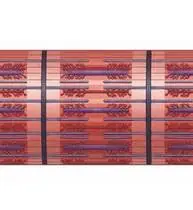
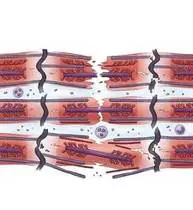
Delayed Onset Muscle Soreness (DOMS) is an exercise-induced ultrastructural micro-injury (Grade 1A physiological muscle soreness) triggered by unaccustomed or high-volume eccentric muscle contractions (where the muscle lengthens while generating tension, such as downhill running, lowering weights, or plyometrics). Crucially, DOMS is NOT caused by lactic acid accumulation (blood and muscle lactate return to baseline within 60 minutes after exercise!); instead, mechanical sarcomere Z-disc streaming/disruption triggers a secondary calcium influx, mild cellular edema, and prostaglandin/bradykinin/NGF sensitization of Group III and IV intramuscular nociceptors that peaks at 24–72 hours and resolves within 5–7 days (conferring the protective Repeated Bout Effect).
Delayed Onset Muscle Soreness (DOMS / post-workout muscle soreness) is the familiar stiffness, tenderness, and aching that starts 12–24 hours after a new or intense workout, peaks at 2 to 3 days (48–72 hours), and completely heals within 5–7 days as your muscles rebuild stronger.
Primary Causes & Biomechanics
Key Points You Should Know
- •Unaccustomed eccentric contractions (fewer motor units recruited to absorb higher mechanical tension per fiber)
- •Ultrastructural Z-disc disruption + inflammatory cascade (neutrophil/macrophage infiltration and intramuscular osmotic pressure elevation peaking at 24–72 hours)
- •Debunking the Lactic Acid Myth: Lactate clears within 1 hour post-workout; DOMS only begins 8–12 hours later and peaks on Day 2–3!
- •Busting the 'Lactic Acid' Myth: Lactic acid is completely cleared from your muscles within 1 hour of finishing exercise! DOMS is actually caused by microscopic remodeling of your muscle fibers after lengthening movements (like walking downhill or lowering weights).
- •How to Tell DOMS From a Real Muscle Tear: DOMS starts the *next day*, affects the whole muscle symmetrically on both sides, and feels *better* after 10 minutes of gentle walking; a real tear happens *instantly* with a sharp stab in one spot and gets worse when you walk!
- •Gentle Movement Beats Sitting Still: A light walk, easy bike ride, or warm shower flushes fluid through the sore muscles and relieves stiffness.
Assessment Methods
1. Goniometric ROM & Postural / Kinematic Analysis
Temporary 10–15° reduction in relaxed joint resting angle (e.g., flexed elbow or stiff knee/ankle) and transient 15–30% drop in peak eccentric/isometric torque lasting 2–4 days.
2. Special Clinical Provocation & Neurological/Functional Tests
Diffuse, symmetric myofascial tenderness along the entire muscle belly (especially near the distal myotendinous junction) vs. focal defect/ecchymosis (which indicates a true structural strain!).
3. Standardized Clinical Outcome Scales & Imaging Criteria
VAS Muscle Soreness Scale (0–10), Perceived Recovery Status (PRS), and serum Creatine Kinase (CK) if rhabdomyolysis is suspected.
1. Range of Motion & Posture Check
Your physiotherapist gently evaluates how comfortably and smoothly your skeletal muscle sarcomeres (Z-disc myofilaments, titin cytoskeleton, and endomysial connective tissue) moves and checks your overall posture.
2. Muscle Strength & Functional Movement Check
Your muscle balance, walking or reaching comfort, and specific gentle movement tests are evaluated without triggering sharp pain.
3. Typical Symptoms & Daily Impact Review
Dull, diffuse aching, stiffness, and tenderness to touch across the entire worked muscle group that begins 8–24 hours after exercise, peaks between 24 and 72 hours, and gradually fades over 5–7 days.
Treatment Options & Phase-Based Protocol
✨ Enriched GIF Exercise & Precaution GuidePhase 1: Acute Symptom Modulation, Tissue Protection & Early Activation
- •Phase 1 Clinical Focus & Tissue Protection: Active Recovery & Lymphatic Pumping Phase (Hours 12–48): Light low-impact concentric exercise (15–20 min easy cycling, swimming, or walking at Borg RPE 9–11)—the most effective evidence-based acute analgesic for DOMS!—plus rhythmic ankle pumps, unloaded supine heel slides, and diaphragmatic breathing.
- •Pain, Edema & Neuromuscular Modulation: Targeted physical modalities, relative load management, and early protected mobility of the skeletal muscle sarcomeres (Z-disc myofilaments, titin cytoskeleton, and endomysial connective tissue) without provoking mechanical or inflammatory irritation.
- •Proximal & Distal Kinetic Chain Maintenance: Maintain active mobility and circulation in adjacent joints while protecting the primary healing structures in Delayed Onset Muscle Soreness (DOMS).
Phase 2: Progressive Mobility, Motor Control & Targeted Strengthening
- •Phase 2 Progressive Mobilization & Motor Control: Gentle Pain-Free Mobility & Tissue Perfusion Phase (Hours 48–96): Warm water immersion / contrast hydrotherapy (38°C / 15°C), gentle submaximal towel calf & neck/shoulder mobility, and scapular retraction (avoiding aggressive stretching or heavy eccentric loading while peak soreness is present!).
- •Biomechanical Alignment & Co-Contraction: Restore balanced agonist-antagonist force couples, joint centration, and multi-planar neuromuscular control across the skeletal muscle sarcomeres (Z-disc myofilaments, titin cytoskeleton, and endomysial connective tissue).
- •Myofascial Extensibility & Endurance: Address secondary compensatory tightness and build local muscular endurance within safe, symptom-free biomechanical parameters.
Phase 3: Functional Integration, Proprioception & Long-Term Prevention
- •Phase 3 Functional Integration & Long-Term Prevention: Graduated Return to Training & Repeated Bout Effect Phase (Day 5–7+): Resume progressive resistance and wall mini-squat / sit-to-stand / calf raise training once soreness drops below 2/10 and full ROM is restored; utilize the 10% weekly volume progression rule.
- •Proprioceptive Balance & Dynamic Loading: Progress to task-specific closed-chain, balance, and functional movement patterns tailored to daily life, occupational, or athletic demands.
- •Self-Management & Relapse Prophylaxis: Establish lifelong ergonomic habits, home exercise maintenance, and early warning-sign awareness to prevent recurrence.
Step 1: Calming Pain, Protecting the Area & Gentle Starter Motion
- •Busting the 'Lactic Acid' Myth: Lactic acid is completely cleared from your muscles within 1 hour of finishing exercise! DOMS is actually caused by microscopic remodeling of your muscle fibers after lengthening movements (like walking downhill or lowering weights).
- •Calm Protection & Gentle Start: During the initial stage of Post-Workout Muscle Soreness, avoid painful overloading and perform the gentle, pain-free starter movements shown below to support circulation and comfort.
- •Respecting Your Body's Signals: Every movement should stay within a comfortable, non-painful zone—never force through sharp or radiating pain.
Step 2: Restoring Flexibility & Building Supporting Muscle Strength
- •How to Tell DOMS From a Real Muscle Tear: DOMS starts the *next day*, affects the whole muscle symmetrically on both sides, and feels *better* after 10 minutes of gentle walking; a real tear happens *instantly* with a sharp stab in one spot and gets worse when you walk!
- •Step-by-Step Flexibility & Support: As acute sensitivity settles, gradually build mobility and strengthen the supporting muscles around the joint at a steady, controlled pace.
- •Posture & Breathing Coordination: Keep your posture upright and breathe smoothly (never hold your breath!) during every repetition.
Step 3: Safe Daily Habits, Stamina & Preventing Recurrence
- •Gentle Movement Beats Sitting Still: A light walk, easy bike ride, or warm shower flushes fluid through the sore muscles and relieves stiffness.
- •Confident Return to Daily Life: Integrate your stronger muscles and improved balance into walking, stairs, work, and recreational activities.
- •Preventing Future Flare-Ups: Continue your core protective habits and key maintenance exercises even after symptoms resolve.
Animated (GIF) Therapeutic Exercise Guide
Animated clinical exercise protocol with biomechanical angles, target muscle groups, and dosage parameters (Click image to enlarge)
Step-by-step animated exercise demonstrations you can safely perform at home (Click image to enlarge)
 🔍 Enlarge
1. Rhythmic Active Ankle Dorsiflexion & Plantarflexion Pumping (Venous/Edema Pump)
1. Ankle Toe-Pulls and Pointing (Circulation & Swelling Pump)
Rhythmic alternating contraction of the tibialis anterior and gastrocnemius-soleus complex. Activates the deep venous calf pump to prevent deep vein thrombosis (DVT), clears distal edema, and maintains talocrural mobility. Specifically indicated in Delayed Onset Muscle Soreness (DOMS) rehabilitation to optimize skeletal muscle sarcomeres (Z-disc myofilaments, titin cytoskeleton, and endomysial connective tissue) biomechanics and neuromuscular control.
While lying down or sitting with your legs supported, pull your toes and feet firmly upward toward your shins, hold for 3 seconds, then point them downward like pressing a gas pedal. Perform smoothly within a comfortable, pain-free range to support your Post-Workout Muscle Soreness recovery.
 🔍 Enlarge
2. Supine Active-Assisted Heel Slide & Synovial Diffusion Mobilization
2. Supine Heel Slide (Gentle Knee & Hip Bending)
Controlled flexion and extension of the lower extremity by sliding the heel along the support surface without axial weight-bearing. Stimulates synovial fluid diffusion across avascular cartilage and prevents capsular adhesions. Specifically indicated in Delayed Onset Muscle Soreness (DOMS) rehabilitation to optimize skeletal muscle sarcomeres (Z-disc myofilaments, titin cytoskeleton, and endomysial connective tissue) biomechanics and neuromuscular control.
While lying on your back, slowly slide your heel along the bed sheet toward your hip within a comfortable, pain-free angle, hold for 3 seconds, and gently slide it back out straight. Perform smoothly within a comfortable, pain-free range to support your Post-Workout Muscle Soreness recovery.
 🔍 Enlarge
3. Supine Wand-Assisted (Cane) Active-Assisted Shoulder Elevation
3. Lying Cane/Stick-Assisted Two-Handed Arm Raise
In supine (scapula stabilized against the plinth and gravity eliminated in the final arc), the unaffected upper extremity guides a wand/stick to elevate the affected shoulder smoothly without deltoid-induced superior humeral shear. Specifically indicated in Delayed Onset Muscle Soreness (DOMS) rehabilitation to optimize skeletal muscle sarcomeres (Z-disc myofilaments, titin cytoskeleton, and endomysial connective tissue) biomechanics and neuromuscular control.
Lie on your back holding a light stick or cane with both hands. Use your healthy arm to gently guide both arms up overhead as far as comfortable, hold for 3 seconds, and slowly lower. Perform smoothly within a comfortable, pain-free range to support your Post-Workout Muscle Soreness recovery.
 🔍 Enlarge
4. Long-Sitting Towel-Assisted Gastrocnemius-Soleus & Plantar Fascia Stretch
4. Seated Towel Calf & Foot Arch Stretch
Long-sitting with a towel looped around the metatarsal heads, applying a slow, sustained passive pull into ankle dorsiflexion. Restores gastrocnemius-soleus-Achilles length and reduces plantar fascial and equine tension. Specifically indicated in Delayed Onset Muscle Soreness (DOMS) rehabilitation to optimize skeletal muscle sarcomeres (Z-disc myofilaments, titin cytoskeleton, and endomysial connective tissue) biomechanics and neuromuscular control.
Sit with your leg extended and loop a towel around the ball of your foot. Gently pull both ends of the towel toward you until you feel a comfortable stretch in your calf and sole, holding for 20–30 seconds. Perform smoothly within a comfortable, pain-free range to support your Post-Workout Muscle Soreness recovery.
 🔍 Enlarge
5. Diaphragmatic & Pursed-Lip Breathing (PLB — Autonomic & Ventilatory Control)
5. Calm Belly Breathing with Pursed-Lip Exhale
Slow nasal inhalation expanding the lower ribcage and abdomen (while relaxing accessory neck/shoulder muscles), followed by prolonged expiration through pursed lips at a 1:2 ratio. Prevents dynamic airway collapse, improves basal ventilation, and reduces sympathetic tone. Specifically indicated in Delayed Onset Muscle Soreness (DOMS) rehabilitation to optimize skeletal muscle sarcomeres (Z-disc myofilaments, titin cytoskeleton, and endomysial connective tissue) biomechanics and neuromuscular control.
Sit comfortably and place one hand on your chest and the other on your belly. Breathe in slowly through your nose for 2–3 seconds so your belly gently rises, then breathe out slowly for 4–6 seconds through pursed lips as if flickering a candle. Perform smoothly within a comfortable, pain-free range to support your Post-Workout Muscle Soreness recovery.
 🔍 Enlarge
6. Scapulothoracic Retraction & Depression (Middle/Lower Trapezius & Rhomboids)
6. Shoulder Blade Squeeze (Postural Alignment)
Adduction and depression of the scapulae via the middle/lower trapezius and rhomboids while inhibiting upper trapezius overactivity. Corrects anterior scapular tilt, widens the subacromial outlet, and unloads the anterior thoracic column. Specifically indicated in Delayed Onset Muscle Soreness (DOMS) rehabilitation to optimize skeletal muscle sarcomeres (Z-disc myofilaments, titin cytoskeleton, and endomysial connective tissue) biomechanics and neuromuscular control.
Sit or stand tall. Keep your shoulders relaxed away from your ears, gently draw your shoulder blades together and slightly downward toward your back pockets, hold for 5 seconds, and release. Perform smoothly within a comfortable, pain-free range to support your Post-Workout Muscle Soreness recovery.
Movements to Avoid & Strict Precautions
1. Performing Another Heavy Eccentric Workout on the Same Muscle Group at Peak 48h Soreness
1. Doing heavy weights or intense plyometrics on the exact same sore muscles while soreness is at its peak
2. Aggressive Ballistic Stretching or Painful Deep-Tissue Elbow Digging on Sore Fibers
2. Bouncing hard in stretches or having someone dig painfully into acutely sore muscles
3. Taking High-Dose NSAIDs Routinely Before/After Workouts (Blunts Satellite Cell Muscle Hypertrophy & Risks Kidney Injury!)
3. Popping anti-inflammatory painkillers routinely before workouts (masks pain, harms kidneys, and slows muscle adaptation)
4. Training in Severe Dehydration or Jumping 0-to-100% Volume After a Long Layoff
4. Doing an extreme high-repetition workout after months off without hydrating
Delayed Onset Muscle Soreness (DOMS) — Video Guide
Click directly on any video to open and watch in a window, or review details via 📋 Summary & Options.
Condition Overview Video (1 Video)
Summary of pathophysiology, biomechanics, and clinical presentation
What the condition is, why it develops, and its basic mechanism

What Is Delayed Onset Muscle Soreness (DOMS)? Physiology and Management
Delayed Onset Muscle Soreness (DOMS) is an exercise-induced ultrastructural micro-injury (Grade 1A physiological muscle soreness) triggered by unaccustomed or high-volume eccentric muscle contractions (where the muscle lengthens while generating tension, such as downhill running, lowering weights, or plyometrics). Crucially, DOMS is NOT caused by lactic acid accumulation (blood and muscle lactate return to baseline within 60 minutes after exercise!); instead, mechanical sarcomere Z-disc streaming/disruption triggers a secondary calcium influx, mild cellular edema, and prostaglandin/bradykinin/NGF sensitization of Group III and IV intramuscular nociceptors that peaks at 24–72 hours and resolves within 5–7 days (conferring the protective Repeated Bout Effect).
Delayed Onset Muscle Soreness (DOMS / post-workout muscle soreness) is the familiar stiffness, tenderness, and aching that starts 12–24 hours after a new or intense workout, peaks at 2 to 3 days (48–72 hours), and completely heals within 5–7 days as your muscles rebuild stronger.
Treatment and Exercise Videos
Phase-based physiotherapy protocols, mobilization, and therapeutic exercises
Step-by-step recovery and safe home exercise applications

Active Recovery and Training Management During Post-Exercise Soreness (DOMS)
Phase 1: Acute Symptom Modulation, Tissue Protection & Early Activation: Phase 1 Clinical Focus & Tissue Protection: Active Recovery & Lymphatic Pumping Phase (Hours 12–48): Light low-impact concentric exercise (15–20 min easy cycling, swimming, or walking at Borg RPE 9–11)—the most effective evidence-based acute analgesic for DOMS!—plus rhythmic ankle pumps, unloaded supine heel slides, and diaphragmatic breathing.
Step 1: Calming Pain, Protecting the Area & Gentle Starter Motion: Busting the 'Lactic Acid' Myth: Lactic acid is completely cleared from your muscles within 1 hour of finishing exercise! DOMS is actually caused by microscopic remodeling of your muscle fibers after lengthening movements (like walking downhill or lowering weights).

Differentiating DOMS from a True Muscle Tear and Optimizing Recovery
Phase 2: Progressive Mobility, Motor Control & Targeted Strengthening: Phase 2 Progressive Mobilization & Motor Control: Gentle Pain-Free Mobility & Tissue Perfusion Phase (Hours 48–96): Warm water immersion / contrast hydrotherapy (38°C / 15°C), gentle submaximal towel calf & neck/shoulder mobility, and scapular retraction (avoiding aggressive stretching or heavy eccentric loading while peak soreness is present!).
Step 2: Restoring Flexibility & Building Supporting Muscle Strength: How to Tell DOMS From a Real Muscle Tear: DOMS starts the *next day*, affects the whole muscle symmetrically on both sides, and feels *better* after 10 minutes of gentle walking; a real tear happens *instantly* with a sharp stab in one spot and gets worse when you walk!
Clinical Assessment, Goniometry & Special Test Videos
Displayed only in Healthcare Professional mode (hidden in Patient mode)

Manual Muscle Testing (MRC 0–5 Grading) — Clinical Motor Strength Examination
Goniometric ROM & Postural / Kinematic Analysis: Temporary 10–15° reduction in relaxed joint resting angle (e.g., flexed elbow or stiff knee/ankle) and transient 15–30% drop in peak eccentric/isometric torque lasting 2–4 days.

Knee Joint Goniometric Measurement (Active & Passive Flexion / Extension ROM)
Special Clinical Provocation & Neurological/Functional Tests: Diffuse, symmetric myofascial tenderness along the entire muscle belly (especially near the distal myotendinous junction) vs. focal defect/ecchymosis (which indicates a true structural strain!).