Spinal Muscular Atrophy (Pediatric SMA Types 1-2-3)Floppy Infant / Spinal Muscle Wasting (Spinal Muscular Atrophy (SMA))
Spinal Muscular Atrophy (Pediatric SMA Types 1-2-3) — Overview
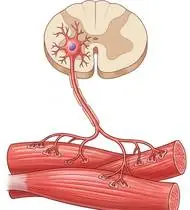
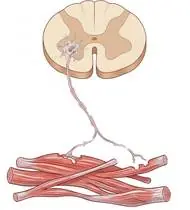
Pediatric Spinal Muscular Atrophy (SMA Types 1, 2, and 3) is the leading genetic cause of infantile motor neuron weakness, caused by homozygous SMN1 deletion and resulting in loss of spinal anterior horn alpha motor neurons. Thanks to newborn screening and breakthrough SMN-restoring gene/splicing therapies (Zolgensma, Spinraza, Evrysdi), children with Type 1 ('Floppy Infant' / non-sitters) are now achieving sitting and standing, Type 2 (sitters) are achieving assisted walking, and Type 3 (walkers) are maintaining lifelong ambulation! Pediatric physiotherapy is essential to translate newly rescued motor neurons into developmental milestones while preventing frog-leg hip contractures, bell-shaped chest pectus excavatum, and neuromuscular scoliosis!
Pediatric Spinal Muscular Atrophy (childhood SMA / 'floppy infant') is a genetic condition affecting the motor nerve cells in the spinal cord, while babies and children have exceptionally bright, alert, sociable minds and normal skin sensation. In today's era of breakthrough SMA treatments, daily play-based physiotherapy, tummy/side-lying play, gentle stretching, and early standing frames are the bridge that turns treatment gains into sitting, standing, and walking milestones!
Primary Causes & Biomechanics
Key Points You Should Know
- •Anterior horn alpha motor neuron deficiency causing profound symmetric proximal > distal hypotonia ('floppy infant'), frog-leg posture (hip abduction + external rotation + knee flexion), and areflexia
- •Paradoxical Breathing & Bell-Shaped Chest (Types 1 & 2): Strong diaphragmatic contraction coupled with weak intercostal muscles pulls the compliant infant ribcage inward during inspiration
- •High Hip Subluxation & Neuromuscular Scoliosis Risk as children transition to upright sitting without sufficient paraspinal/gluteal strength
- •Fixing the 'Frog-Leg' Resting Position with Soft Towel Rolls: Babies with low muscle tone naturally let their legs fall wide open like a frog when lying on their backs, which tightens the outer hips. Placing soft rolled towels along the outsides of both thighs keeps the legs aligned straight!
- •Side-Lying Play Is a Game-Changer: When a baby lies on their back, gravity pins weak arms to the bed; rolling them onto their side with a supportive pillow behind their back takes gravity away so both hands easily meet in the middle to play with toys!
- •Standing Frame at 1 Year & Tummy-Cutout Braces: Starting upright standing in a supportive frame around 12–15 months builds hip sockets and bones—and if a sitting brace is used for spine support, make sure it has a window cutout over the belly so the baby can breathe freely with their diaphragm!
Assessment Methods
1. Goniometric ROM & Postural / Kinematic Analysis
CHOP INTEND (Children's Hospital of Philadelphia Infant Test of Neuromuscular Disorders, 0–64) for Type 1 / infants, HINE-2 (Hammersmith Infant Neurological Examination), HFMSE for Types 2–3, and RULM.
2. Special Clinical Provocation & Neurological/Functional Tests
Paradoxical breathing / chest wall shape check, hip/knee flexion and ankle equinus goniometry, and sitting/standing alignment.
3. Standardized Clinical Outcome Scales & Imaging Criteria
CHOP INTEND, HFMSE, RULM, and AP Pelvis / Spine radiographs.
1. Range of Motion & Posture Check
Your physiotherapist gently evaluates how comfortably and smoothly your pediatric spinal cord anterior horn alpha motor neurons (infantile/childhood SMN1 mutation — SMA Types 1, 2, and 3) moves and checks your overall posture.
2. Muscle Strength & Functional Movement Check
Your muscle balance, walking or reaching comfort, and specific gentle movement tests are evaluated without triggering sharp pain.
3. Typical Symptoms & Daily Impact Review
In Type 1 (Infantile Onset <6 Months): Generalized low muscle tone (hypotonia / 'floppy baby'), 'frog-leg' resting posture, weak head control, weak cry, and belly-breathing (bell-shaped chest)—contrasting with a bright, alert face and expressive eye contact.
Treatment Options & Phase-Based Protocol
✨ Enriched GIF Exercise & Precaution GuidePhase 1: Acute Symptom Modulation, Tissue Protection & Early Activation
- •Phase 1 Clinical Focus & Tissue Protection: Phase 1 — Infant Positioning (Correcting 'Frog-Leg' Posture) & Chest Wall Protection Phase: Use towel rolls along the outer thighs to bring the legs out of wide 'frog-leg' abduction into neutral alignment, perform gentle daily passive/active-assisted ankle, knee, and hip ROM, and support costal expansion breathing & Cough Assist / postural drainage.
- •Pain, Edema & Neuromuscular Modulation: Targeted physical modalities, relative load management, and early protected mobility of the pediatric spinal cord anterior horn alpha motor neurons (infantile/childhood SMN1 mutation — SMA Types 1, 2, and 3) without provoking mechanical or inflammatory irritation.
- •Proximal & Distal Kinetic Chain Maintenance: Maintain active mobility and circulation in adjacent joints while protecting the primary healing structures in Spinal Muscular Atrophy (SMA).
Phase 2: Progressive Mobility, Motor Control & Targeted Strengthening
- •Phase 2 Progressive Mobilization & Motor Control: Phase 2 — Developmental Milestone Facilitation (Rolling, Supported Sitting & Bimanual Play) Phase: Side-lying play (gravity-eliminated plane so weak arms can come together at midline to play with toys!), Bobath midline overhead reaching, quadruped/tummy-time head & trunk control (with chest roll support), and warm-water hydrotherapy.
- •Biomechanical Alignment & Co-Contraction: Restore balanced agonist-antagonist force couples, joint centration, and multi-planar neuromuscular control across the pediatric spinal cord anterior horn alpha motor neurons (infantile/childhood SMN1 mutation — SMA Types 1, 2, and 3).
- •Myofascial Extensibility & Endurance: Address secondary compensatory tightness and build local muscular endurance within safe, symptom-free biomechanical parameters.
Phase 3: Functional Integration, Proprioception & Long-Term Prevention
- •Phase 3 Functional Integration & Long-Term Prevention: Phase 3 — Early Upright Standing Frame (12–15 Months!), Scoliosis Bracing & Gait Phase: Daily Standing Frame in slight hip abduction (starting at 12–15 months to form the hip sockets and bone density!), soft/TLSO scoliosis support during sitting (with an abdominal cutout so diaphragmatic breathing is NEVER restricted!), and pelvic bridging / sit-to-stand / RGO-KAFO-AFO gait training.
- •Proprioceptive Balance & Dynamic Loading: Progress to task-specific closed-chain, balance, and functional movement patterns tailored to daily life, occupational, or athletic demands.
- •Self-Management & Relapse Prophylaxis: Establish lifelong ergonomic habits, home exercise maintenance, and early warning-sign awareness to prevent recurrence.
Step 1: Calming Pain, Protecting the Area & Gentle Starter Motion
- •Fixing the 'Frog-Leg' Resting Position with Soft Towel Rolls: Babies with low muscle tone naturally let their legs fall wide open like a frog when lying on their backs, which tightens the outer hips. Placing soft rolled towels along the outsides of both thighs keeps the legs aligned straight!
- •Calm Protection & Gentle Start: During the initial stage of Floppy Infant / Spinal Muscle Wasting, avoid painful overloading and perform the gentle, pain-free starter movements shown below to support circulation and comfort.
- •Respecting Your Body's Signals: Every movement should stay within a comfortable, non-painful zone—never force through sharp or radiating pain.
Step 2: Restoring Flexibility & Building Supporting Muscle Strength
- •Side-Lying Play Is a Game-Changer: When a baby lies on their back, gravity pins weak arms to the bed; rolling them onto their side with a supportive pillow behind their back takes gravity away so both hands easily meet in the middle to play with toys!
- •Step-by-Step Flexibility & Support: As acute sensitivity settles, gradually build mobility and strengthen the supporting muscles around the joint at a steady, controlled pace.
- •Posture & Breathing Coordination: Keep your posture upright and breathe smoothly (never hold your breath!) during every repetition.
Step 3: Safe Daily Habits, Stamina & Preventing Recurrence
- •Standing Frame at 1 Year & Tummy-Cutout Braces: Starting upright standing in a supportive frame around 12–15 months builds hip sockets and bones—and if a sitting brace is used for spine support, make sure it has a window cutout over the belly so the baby can breathe freely with their diaphragm!
- •Confident Return to Daily Life: Integrate your stronger muscles and improved balance into walking, stairs, work, and recreational activities.
- •Preventing Future Flare-Ups: Continue your core protective habits and key maintenance exercises even after symptoms resolve.
Animated (GIF) Therapeutic Exercise Guide
Animated clinical exercise protocol with biomechanical angles, target muscle groups, and dosage parameters (Click image to enlarge)
Step-by-step animated exercise demonstrations you can safely perform at home (Click image to enlarge)
 🔍 Enlarge
1. Supine Active-Assisted Heel Slide & Synovial Diffusion Mobilization
1. Supine Heel Slide (Gentle Knee & Hip Bending)
Controlled flexion and extension of the lower extremity by sliding the heel along the support surface without axial weight-bearing. Stimulates synovial fluid diffusion across avascular cartilage and prevents capsular adhesions. Specifically indicated in Spinal Muscular Atrophy (SMA) rehabilitation to optimize pediatric spinal cord anterior horn alpha motor neurons (infantile/childhood SMN1 mutation — SMA Types 1, 2, and 3) biomechanics and neuromuscular control.
While lying on your back, slowly slide your heel along the bed sheet toward your hip within a comfortable, pain-free angle, hold for 3 seconds, and gently slide it back out straight. Perform smoothly within a comfortable, pain-free range to support your Floppy Infant / Spinal Muscle Wasting recovery.
 🔍 Enlarge
2. Long-Sitting Towel-Assisted Gastrocnemius-Soleus & Plantar Fascia Stretch
2. Seated Towel Calf & Foot Arch Stretch
Long-sitting with a towel looped around the metatarsal heads, applying a slow, sustained passive pull into ankle dorsiflexion. Restores gastrocnemius-soleus-Achilles length and reduces plantar fascial and equine tension. Specifically indicated in Spinal Muscular Atrophy (SMA) rehabilitation to optimize pediatric spinal cord anterior horn alpha motor neurons (infantile/childhood SMN1 mutation — SMA Types 1, 2, and 3) biomechanics and neuromuscular control.
Sit with your leg extended and loop a towel around the ball of your foot. Gently pull both ends of the towel toward you until you feel a comfortable stretch in your calf and sole, holding for 20–30 seconds. Perform smoothly within a comfortable, pain-free range to support your Floppy Infant / Spinal Muscle Wasting recovery.
 🔍 Enlarge
3. Thoracic Expansion Exercise (TEE) with Bilateral Arm Elevation & 3s Inspiratory Hold
3. Chest-Opening Deep Breath with Arm Raise
Synchronizing deep nasal inspiration with bilateral shoulder flexion/abduction and a 3-second end-inspiratory hold before passive/pursed-lip expiration. Opens collateral ventilation channels to prevent basal atelectasis and maintains costovertebral compliance. Specifically indicated in Spinal Muscular Atrophy (SMA) rehabilitation to optimize pediatric spinal cord anterior horn alpha motor neurons (infantile/childhood SMN1 mutation — SMA Types 1, 2, and 3) biomechanics and neuromuscular control.
While sitting upright, breathe in deeply through your nose while opening your arms upward and outward to expand your ribcage. Hold the breath inside for 3 seconds, then exhale slowly while lowering your arms. Perform smoothly within a comfortable, pain-free range to support your Floppy Infant / Spinal Muscle Wasting recovery.
 🔍 Enlarge
4. Prone Positioning & Controlled Thoracolumbar Extension (McKenzie / Back Extensor)
4. Prone Lying & Gentle Back Extension Lift
Prone positioning and graduated thoracic/lumbar extension (with a pillow under the abdomen when indicated for spinal unloading). Counters flexed postural kyphosis, stretches tight hip flexors, and strengthens paraspinal extensors. Specifically indicated in Spinal Muscular Atrophy (SMA) rehabilitation to optimize pediatric spinal cord anterior horn alpha motor neurons (infantile/childhood SMN1 mutation — SMA Types 1, 2, and 3) biomechanics and neuromuscular control.
Lie on your stomach (place a small pillow under your hips/tummy if needed for comfort). Gently lift your head and chest slightly off the mat by squeezing your back muscles without straining your neck, hold for 3–5 seconds, and lower. Perform smoothly within a comfortable, pain-free range to support your Floppy Infant / Spinal Muscle Wasting recovery.
 🔍 Enlarge
5. Supine Wand-Assisted (Cane) Active-Assisted Shoulder Elevation
5. Lying Cane/Stick-Assisted Two-Handed Arm Raise
In supine (scapula stabilized against the plinth and gravity eliminated in the final arc), the unaffected upper extremity guides a wand/stick to elevate the affected shoulder smoothly without deltoid-induced superior humeral shear. Specifically indicated in Spinal Muscular Atrophy (SMA) rehabilitation to optimize pediatric spinal cord anterior horn alpha motor neurons (infantile/childhood SMN1 mutation — SMA Types 1, 2, and 3) biomechanics and neuromuscular control.
Lie on your back holding a light stick or cane with both hands. Use your healthy arm to gently guide both arms up overhead as far as comfortable, hold for 3 seconds, and slowly lower. Perform smoothly within a comfortable, pain-free range to support your Floppy Infant / Spinal Muscle Wasting recovery.
 🔍 Enlarge
6. Diaphragmatic & Pursed-Lip Breathing (PLB — Autonomic & Ventilatory Control)
6. Calm Belly Breathing with Pursed-Lip Exhale
Slow nasal inhalation expanding the lower ribcage and abdomen (while relaxing accessory neck/shoulder muscles), followed by prolonged expiration through pursed lips at a 1:2 ratio. Prevents dynamic airway collapse, improves basal ventilation, and reduces sympathetic tone. Specifically indicated in Spinal Muscular Atrophy (SMA) rehabilitation to optimize pediatric spinal cord anterior horn alpha motor neurons (infantile/childhood SMN1 mutation — SMA Types 1, 2, and 3) biomechanics and neuromuscular control.
Sit comfortably and place one hand on your chest and the other on your belly. Breathe in slowly through your nose for 2–3 seconds so your belly gently rises, then breathe out slowly for 4–6 seconds through pursed lips as if flickering a candle. Perform smoothly within a comfortable, pain-free range to support your Floppy Infant / Spinal Muscle Wasting recovery.
Movements to Avoid & Strict Precautions
1. Leaving the Infant in a Wide 'Frog-Leg' Posture All Day Without Outer-Thigh Towel Rolls
1. Letting the baby's legs rest splayed wide open in a frog posture all day (causes hip abduction contractures!)
2. Using a Spinal Corset Without an Abdominal Cutout Window (Blocks Diaphragmatic Breathing!)
2. Putting a tight brace over the tummy that stops the belly from expanding when breathing
3. Tiring the Child Out With Long, Exhausting Therapy Sessions
3. Pushing the child to fatigue instead of doing short, fun 15–20 minute play sessions
4. Lifting the Child by Pulling Under the Arms Without Supporting the Head and Pelvis
4. Lifting a hypotonic child under the armpits without supporting the head, trunk, and hips
Spinal Muscular Atrophy (Pediatric SMA Types 1-2-3) — Video Guide
Click directly on any video to open and watch in a window, or review details via 📋 Summary & Options.
Condition Overview Video (1 Video)
Summary of pathophysiology, biomechanics, and clinical presentation
What the condition is, why it develops, and its basic mechanism

What Is Pediatric Spinal Muscular Atrophy (SMA)? Types and Clinical Features
Pediatric Spinal Muscular Atrophy (SMA Types 1, 2, and 3) is the leading genetic cause of infantile motor neuron weakness, caused by homozygous SMN1 deletion and resulting in loss of spinal anterior horn alpha motor neurons. Thanks to newborn screening and breakthrough SMN-restoring gene/splicing therapies (Zolgensma, Spinraza, Evrysdi), children with Type 1 ('Floppy Infant' / non-sitters) are now achieving sitting and standing, Type 2 (sitters) are achieving assisted walking, and Type 3 (walkers) are maintaining lifelong ambulation! Pediatric physiotherapy is essential to translate newly rescued motor neurons into developmental milestones while preventing frog-leg hip contractures, bell-shaped chest pectus excavatum, and neuromuscular scoliosis!
Pediatric Spinal Muscular Atrophy (childhood SMA / 'floppy infant') is a genetic condition affecting the motor nerve cells in the spinal cord, while babies and children have exceptionally bright, alert, sociable minds and normal skin sensation. In today's era of breakthrough SMA treatments, daily play-based physiotherapy, tummy/side-lying play, gentle stretching, and early standing frames are the bridge that turns treatment gains into sitting, standing, and walking milestones!
Treatment and Exercise Videos
Phase-based physiotherapy protocols, mobilization, and therapeutic exercises
Step-by-step recovery and safe home exercise applications

Positioning, Contracture Prevention, and Movement Training in SMA Rehab (Part 1)
Phase 1: Acute Symptom Modulation, Tissue Protection & Early Activation: Phase 1 Clinical Focus & Tissue Protection: Phase 1 — Infant Positioning (Correcting 'Frog-Leg' Posture) & Chest Wall Protection Phase: Use towel rolls along the outer thighs to bring the legs out of wide 'frog-leg' abduction into neutral alignment, perform gentle daily passive/active-assisted ankle, knee, and hip ROM, and support costal expansion breathing & Cough Assist / postural drainage.
Step 1: Calming Pain, Protecting the Area & Gentle Starter Motion: Fixing the 'Frog-Leg' Resting Position with Soft Towel Rolls: Babies with low muscle tone naturally let their legs fall wide open like a frog when lying on their backs, which tightens the outer hips. Placing soft rolled towels along the outsides of both thighs keeps the legs aligned straight!

Trunk Control, Respiratory Support, and Functional Exercises in SMA (Part 6)
Phase 2: Progressive Mobility, Motor Control & Targeted Strengthening: Phase 2 Progressive Mobilization & Motor Control: Phase 2 — Developmental Milestone Facilitation (Rolling, Supported Sitting & Bimanual Play) Phase: Side-lying play (gravity-eliminated plane so weak arms can come together at midline to play with toys!), Bobath midline overhead reaching, quadruped/tummy-time head & trunk control (with chest roll support), and warm-water hydrotherapy.
Step 2: Restoring Flexibility & Building Supporting Muscle Strength: Side-Lying Play Is a Game-Changer: When a baby lies on their back, gravity pins weak arms to the bed; rolling them onto their side with a supportive pillow behind their back takes gravity away so both hands easily meet in the middle to play with toys!
Clinical Assessment, Goniometry & Special Test Videos
Displayed only in Healthcare Professional mode (hidden in Patient mode)

Newborn and Infant Primitive Reflex Examination (Moro, Grasp, ATNR, Galant)
Goniometric ROM & Postural / Kinematic Analysis: CHOP INTEND (Children's Hospital of Philadelphia Infant Test of Neuromuscular Disorders, 0–64) for Type 1 / infants, HINE-2 (Hammersmith Infant Neurological Examination), HFMSE for Types 2–3, and RULM.

Manual Muscle Testing (MRC 0–5 Grading) — Clinical Motor Strength Examination
Special Clinical Provocation & Neurological/Functional Tests: Paradoxical breathing / chest wall shape check, hip/knee flexion and ankle equinus goniometry, and sitting/standing alignment.