Klumpke Palsy (C8-T1)Lower Arm & Hand Birth Palsy (Claw Hand) (Klumpke Palsy (C8-T1))
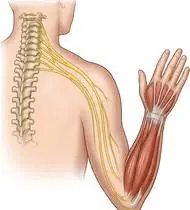
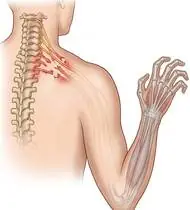
Klumpke Palsy (C8-T1) — Overview
Klumpke Palsy (Lower Trunk C8–T1 Obstetric/Traumatic Palsy) is the rare (~1–2% of birth palsies) distal form of brachial plexus injury caused by forceful upward hyperabduction traction on the arm (such as traction on a hyperabducted arm during breech delivery or catching oneself on an overhead branch during a fall), stretching or avulsing the C8 and T1 nerve roots. Unlike Erb's palsy, the shoulder and elbow (C5–C6 deltoid & biceps) function normally, whereas the intrinsic muscles of the hand (lumbricals, interossei, thenar, hypothenar) and long wrist/finger flexors (FDS, FDP, FPL, FCU) are paralyzed—producing a 'Claw Hand' deformity (MCP hyperextension + PIP/DIP flexion) and loss of the newborn Palmar Grasp reflex. Up to 50–70% of cases have ipsilateral Horner's Syndrome (T1 pre-ganglionic sympathetic avulsion), which indicates a surgical nerve reconstruction priority!
Klumpke palsy (lower arm & hand birth palsy / C8–T1 'claw hand') is the less common form of brachial plexus injury that affects the lower two nerves (C8–T1) controlling the hand, fingers, and wrist—while the shoulder and elbow remain strong. Because a child's hand is their window to exploring the world, daily gentle finger stretches, a soft 'anti-claw' knuckle splint, and rich touch-and-grasp play keep the small joints of the hand supple and functional!
Primary Causes & Biomechanics
Key Points You Should Know
- •Upward hyperabduction traction stretching the C8 and T1 roots across the first rib / coracoid process
- •Paralysis of ulnar and C8–T1 median intrinsic hand muscles: loss of lumbrical/interosseous MCP flexion and IP extension leads to unopposed extensor digitorum communis pulling the MCP knuckles into hyperextension (Claw Hand)
- •Pre-Ganglionic T1 Avulsion & Horner's Syndrome: Because pre-ganglionic sympathetic fibers to the eye exit at the T1 ventral root, ipsilateral ptosis, miosis, enophthalmos, and facial anhidrosis (Horner's) signifies intradural root avulsion!
- •Why an 'Anti-Claw' Knuckle Splint Is So Important: When the tiny muscles *inside* the palm (intrinsics) are weak, the knuckles arch backward while the fingertips curl into a 'claw' shape. A small splint that bends the main knuckles gently forward immediately lets the child straighten their fingers and keeps the joints from stiffening!
- •Waking Up the Hand's Brain Map With Touch Play: Because the outer fingers may have reduced feeling, babies often 'forget' to use the hand. Let your child play in warm water, sand, soft dough, and textured fabrics, and always give them two-handed toys (balls, drums, building blocks) so both hands work together.
- •Early Nerve Specialist Check (Especially If One Eyelid Droops Slightly): Because C8–T1 nerves control tiny hand muscles, seeing a pediatric hand/nerve specialist in the first 1 to 3 months ensures the best window for nerve repair if needed.
Assessment Methods
1. Goniometric ROM & Postural / Kinematic Analysis
Active Movement Scale (AMS) for Wrist Flexion/Extension, Finger Flexion/Extension, Thumb Opposition, and Intrinsic Finger Abduction, plus MCP/PIP/DIP goniometry.
2. Special Clinical Provocation & Neurological/Functional Tests
Palmar Grasp Reflex (characteristically ABSENT in Klumpke palsy while the shoulder Moro movement is preserved!), Horner's Syndrome Pupil/Eyelid Check (and iris heterochromia—the affected eye may remain lighter blue/unpigmented due to sympathetic loss!), and sensory mapping of the ulnar hand/forearm.
3. Standardized Clinical Outcome Scales & Imaging Criteria
AMS Hand Domain, Raimondi Hand Classification (Grades 0–5), and Brachial Plexus MR Neurography / EMG.
1. Range of Motion & Posture Check
Your physiotherapist gently evaluates how comfortably and smoothly your lower trunk of the brachial plexus (C8–T1 nerve roots), ulnar/median intrinsic hand innervation, and T1 cervical sympathetic chain moves and checks your overall posture.
2. Muscle Strength & Functional Movement Check
Your muscle balance, walking or reaching comfort, and specific gentle movement tests are evaluated without triggering sharp pain.
3. Typical Symptoms & Daily Impact Review
Isolated Hand & Wrist Weakness with Normal Shoulder/Elbow Motion: The baby lifts the shoulder and bends the elbow well, but the hand remains limp or develops a 'Claw Hand' posture (knuckles hyperextended, finger tips curled) with absent newborn Palmar Grasp reflex.
Treatment Options & Phase-Based Protocol
✨ Enriched GIF Exercise & Precaution GuidePhase 1: Acute Symptom Modulation, Tissue Protection & Early Activation
- •Phase 1 Clinical Focus & Tissue Protection: Phase 1 — Intrinsic-Plus ('Safe Position') Night Splinting & Passive Hand ROM Phase: Custom thermoplastic infant/pediatric Intrinsic-Plus resting splint (wrist 20° extension, MCP knuckles flexed 70° in an anti-claw block, PIP/DIP straight, and thumb in palmar abduction!), plus gentle Six-Pack tendon gliding at every diaper change.
- •Pain, Edema & Neuromuscular Modulation: Targeted physical modalities, relative load management, and early protected mobility of the lower trunk of the brachial plexus (C8–T1 nerve roots), ulnar/median intrinsic hand innervation, and T1 cervical sympathetic chain without provoking mechanical or inflammatory irritation.
- •Proximal & Distal Kinetic Chain Maintenance: Maintain active mobility and circulation in adjacent joints while protecting the primary healing structures in Klumpke Palsy (C8-T1).
Phase 2: Progressive Mobility, Motor Control & Targeted Strengthening
- •Phase 2 Progressive Mobilization & Motor Control: Phase 2 — Tactile Cortical Hand Awareness & Thumb Opposition Phase: Because children with C8–T1 palsy have intact shoulders/elbows, they tend to ignore the numb/weak hand (developmental disregard)! Perform intensive tactile play (warm water, rice/bean bins, textured fabrics), assisted thumb-to-fingertip opposition, and tabletop finger spreading/extension.
- •Biomechanical Alignment & Co-Contraction: Restore balanced agonist-antagonist force couples, joint centration, and multi-planar neuromuscular control across the lower trunk of the brachial plexus (C8–T1 nerve roots), ulnar/median intrinsic hand innervation, and T1 cervical sympathetic chain.
- •Myofascial Extensibility & Endurance: Address secondary compensatory tightness and build local muscular endurance within safe, symptom-free biomechanical parameters.
Phase 3: Functional Integration, Proprioception & Long-Term Prevention
- •Phase 3 Functional Integration & Long-Term Prevention: Phase 3 — Bimanual Pinch/Grasp & Post-Nerve-Transfer Re-Education Phase: Soft putty/sponge squeezing, wrist flexion-extension, lumbrical block exercises (wearing a small knuckle-blocking splint so the child's own extensors straighten the middle finger joints!), and bimanual toy manipulation.
- •Proprioceptive Balance & Dynamic Loading: Progress to task-specific closed-chain, balance, and functional movement patterns tailored to daily life, occupational, or athletic demands.
- •Self-Management & Relapse Prophylaxis: Establish lifelong ergonomic habits, home exercise maintenance, and early warning-sign awareness to prevent recurrence.
Step 1: Calming Pain, Protecting the Area & Gentle Starter Motion
- •Why an 'Anti-Claw' Knuckle Splint Is So Important: When the tiny muscles *inside* the palm (intrinsics) are weak, the knuckles arch backward while the fingertips curl into a 'claw' shape. A small splint that bends the main knuckles gently forward immediately lets the child straighten their fingers and keeps the joints from stiffening!
- •Calm Protection & Gentle Start: During the initial stage of Lower Arm & Hand Birth Palsy (Claw Hand), avoid painful overloading and perform the gentle, pain-free starter movements shown below to support circulation and comfort.
- •Respecting Your Body's Signals: Every movement should stay within a comfortable, non-painful zone—never force through sharp or radiating pain.
Step 2: Restoring Flexibility & Building Supporting Muscle Strength
- •Waking Up the Hand's Brain Map With Touch Play: Because the outer fingers may have reduced feeling, babies often 'forget' to use the hand. Let your child play in warm water, sand, soft dough, and textured fabrics, and always give them two-handed toys (balls, drums, building blocks) so both hands work together.
- •Step-by-Step Flexibility & Support: As acute sensitivity settles, gradually build mobility and strengthen the supporting muscles around the joint at a steady, controlled pace.
- •Posture & Breathing Coordination: Keep your posture upright and breathe smoothly (never hold your breath!) during every repetition.
Step 3: Safe Daily Habits, Stamina & Preventing Recurrence
- •Early Nerve Specialist Check (Especially If One Eyelid Droops Slightly): Because C8–T1 nerves control tiny hand muscles, seeing a pediatric hand/nerve specialist in the first 1 to 3 months ensures the best window for nerve repair if needed.
- •Confident Return to Daily Life: Integrate your stronger muscles and improved balance into walking, stairs, work, and recreational activities.
- •Preventing Future Flare-Ups: Continue your core protective habits and key maintenance exercises even after symptoms resolve.
Animated (GIF) Therapeutic Exercise Guide
Animated clinical exercise protocol with biomechanical angles, target muscle groups, and dosage parameters (Click image to enlarge)
Step-by-step animated exercise demonstrations you can safely perform at home (Click image to enlarge)
 🔍 Enlarge
1. Six-Pack Differential Flexor Tendon Gliding (FDS & FDP Excursion)
1. Step-by-Step Finger Tendon Gliding (Hook, Straight & Full Fist)
Sequential progression through Straight Hand, Tabletop (intrinsic-plus), Hook Fist (maximum FDS/FDP differential glide), Full Fist, and Straight Fist positions. Prevents peritendinous adhesions within the carpal tunnel and fibro-osseous digital sheaths. Specifically indicated in Klumpke Palsy (C8-T1) rehabilitation to optimize lower trunk of the brachial plexus (C8–T1 nerve roots), ulnar/median intrinsic hand innervation, and T1 cervical sympathetic chain biomechanics and neuromuscular control.
Start with your fingers straight, then bend at the knuckles (tabletop), curl just the fingertips (hook fist), make a gentle full fist, and open wide again—holding each position for 2–3 seconds. Perform smoothly within a comfortable, pain-free range to support your Lower Arm & Hand Birth Palsy (Claw Hand) recovery.
 🔍 Enlarge
2. Thenar Opposition & Carpometacarpal (CMC) Fine Motor Coordination
2. Thumb-to-Fingertip Touching Sequence
Sequential opposition of the thumb pad to the tips of the index, middle, ring, and little fingers forming an 'O' ring, followed by sliding down the 5th digit toward the distal palmar crease. Restores first web-space mobility and intrinsic precision pinch. Specifically indicated in Klumpke Palsy (C8-T1) rehabilitation to optimize lower trunk of the brachial plexus (C8–T1 nerve roots), ulnar/median intrinsic hand innervation, and T1 cervical sympathetic chain biomechanics and neuromuscular control.
Gently touch the tip of your thumb to each fingertip one by one from your index finger to your little finger, forming a neat 'O' shape each time, then open your hand wide. Perform smoothly within a comfortable, pain-free range to support your Lower Arm & Hand Birth Palsy (Claw Hand) recovery.
 🔍 Enlarge
3. Radiocarpal & Midcarpal Active/Eccentric Flexion and Extension
3. Table-Edge Wrist Bending Up and Down
Controlled sagittal plane wrist flexion and extension with the forearm supported on a table edge and digits relaxed. Restores radiocarpal/midcarpal roll-and-glide mechanics and stimulates aligned collagen synthesis in forearm tendons. Specifically indicated in Klumpke Palsy (C8-T1) rehabilitation to optimize lower trunk of the brachial plexus (C8–T1 nerve roots), ulnar/median intrinsic hand innervation, and T1 cervical sympathetic chain biomechanics and neuromuscular control.
Rest your forearm on a table with your wrist hanging comfortably over the edge. Slowly lift your hand upward toward the ceiling, hold for 3 seconds, then lower it gently downward. Perform smoothly within a comfortable, pain-free range to support your Lower Arm & Hand Birth Palsy (Claw Hand) recovery.
 🔍 Enlarge
4. Progressive Isotonic Grip & Pinch Strengthening with Extensor Co-Contraction
4. Soft Therapy Ball / Putty Squeeze
Graded isometric squeeze of therapeutic putty or a soft ball with the wrist held in 15°–20° functional extension. Rebuilds extrinsic digital flexor strength alongside synergistic wrist extensor stabilization. Specifically indicated in Klumpke Palsy (C8-T1) rehabilitation to optimize lower trunk of the brachial plexus (C8–T1 nerve roots), ulnar/median intrinsic hand innervation, and T1 cervical sympathetic chain biomechanics and neuromuscular control.
Hold a soft therapy ball or sponge in your palm while keeping your wrist straight. Squeeze gently without triggering sharp pain, hold for 5 seconds, and slowly relax your fingers. Perform smoothly within a comfortable, pain-free range to support your Lower Arm & Hand Birth Palsy (Claw Hand) recovery.
 🔍 Enlarge
5. Dorsal/Palmar Interossei & Lumbrical Activation (Active Finger Abduction/Extension)
5. Tabletop Finger Spreading (Fan Out) & Opening
With the palm resting flat on a surface, actively spreading all digits apart (abduction) and bringing them back together, combined with controlled MCP/IP extension. Strengthens ulnar-innervated interossei and balances extrinsic flexors. Specifically indicated in Klumpke Palsy (C8-T1) rehabilitation to optimize lower trunk of the brachial plexus (C8–T1 nerve roots), ulnar/median intrinsic hand innervation, and T1 cervical sympathetic chain biomechanics and neuromuscular control.
Rest your hand flat on a table. Spread your fingers wide apart like a fan, hold for 3 seconds, and slowly bring them back together without lifting your palm. Perform smoothly within a comfortable, pain-free range to support your Lower Arm & Hand Birth Palsy (Claw Hand) recovery.
 🔍 Enlarge
6. Proximal & Distal Radioulnar Joint (PRUJ/DRUJ) Supination and Pronation
6. Elbow-at-Side Palm Up and Palm Down Rotation
Isolated forearm rotation with the elbow flexed at 90° and adducted against the trunk to eliminate compensatory glenohumeral rotation. Restores radial head spinning and distal radioulnar translation. Specifically indicated in Klumpke Palsy (C8-T1) rehabilitation to optimize lower trunk of the brachial plexus (C8–T1 nerve roots), ulnar/median intrinsic hand innervation, and T1 cervical sympathetic chain biomechanics and neuromuscular control.
Keep your elbow bent at a right angle and tucked closely against your waist. Slowly turn your palm upward toward the ceiling, hold for 3 seconds, then turn your palm downward toward the floor. Perform smoothly within a comfortable, pain-free range to support your Lower Arm & Hand Birth Palsy (Claw Hand) recovery.
Movements to Avoid & Strict Precautions
1. Leaving the Hand Unsplinted With Hyperextended Knuckles & Curled Fingers ('Claw Posture' Contracture!)
1. Allowing the hand to rest in a curled claw position without daily gentle straightening and splinting
2. Waiting Until 6–12 Months of Age Before Consulting a Nerve Microsurgeon (Too Late for Intrinsic Hand Endplates!)
2. Waiting many months to see a nerve specialist when the hand fingers are paralyzed at birth
3. Exposing the Numb Ulnar Side of the Hand to Hot Water or Sharp Edges
3. Letting the child touch hot surfaces or very hot bathwater with a numb hand
4. Forcing Stiff Tiny Finger Joints Quickly (Use Warm Water & Slow Gentle Glides!)
4. Pulling forcefully on tiny finger joints instead of warming the hand and gliding each joint gently
Klumpke Palsy (C8-T1) — Video Guide
Click directly on any video to open and watch in a window, or review details via 📋 Summary & Options.
Condition Overview Video (1 Video)
Summary of pathophysiology, biomechanics, and clinical presentation
What the condition is, why it develops, and its basic mechanism

Obstetric Brachial Plexus and Erb-Duchenne Palsy Clinical Exam and Overview
Klumpke Palsy (Lower Trunk C8–T1 Obstetric/Traumatic Palsy) is the rare (~1–2% of birth palsies) distal form of brachial plexus injury caused by forceful upward hyperabduction traction on the arm (such as traction on a hyperabducted arm during breech delivery or catching oneself on an overhead branch during a fall), stretching or avulsing the C8 and T1 nerve roots. Unlike Erb's palsy, the shoulder and elbow (C5–C6 deltoid & biceps) function normally, whereas the intrinsic muscles of the hand (lumbricals, interossei, thenar, hypothenar) and long wrist/finger flexors (FDS, FDP, FPL, FCU) are paralyzed—producing a 'Claw Hand' deformity (MCP hyperextension + PIP/DIP flexion) and loss of the newborn Palmar Grasp reflex. Up to 50–70% of cases have ipsilateral Horner's Syndrome (T1 pre-ganglionic sympathetic avulsion), which indicates a surgical nerve reconstruction priority!
Klumpke palsy (lower arm & hand birth palsy / C8–T1 'claw hand') is the less common form of brachial plexus injury that affects the lower two nerves (C8–T1) controlling the hand, fingers, and wrist—while the shoulder and elbow remain strong. Because a child's hand is their window to exploring the world, daily gentle finger stretches, a soft 'anti-claw' knuckle splint, and rich touch-and-grasp play keep the small joints of the hand supple and functional!
Treatment and Exercise Videos
Phase-based physiotherapy protocols, mobilization, and therapeutic exercises
Step-by-step recovery and safe home exercise applications

Upper Extremity Range of Motion Exercises in Brachial Plexus Injuries
Phase 1: Acute Symptom Modulation, Tissue Protection & Early Activation: Phase 1 Clinical Focus & Tissue Protection: Phase 1 — Intrinsic-Plus ('Safe Position') Night Splinting & Passive Hand ROM Phase: Custom thermoplastic infant/pediatric Intrinsic-Plus resting splint (wrist 20° extension, MCP knuckles flexed 70° in an anti-claw block, PIP/DIP straight, and thumb in palmar abduction!), plus gentle Six-Pack tendon gliding at every diaper change.
Step 1: Calming Pain, Protecting the Area & Gentle Starter Motion: Why an 'Anti-Claw' Knuckle Splint Is So Important: When the tiny muscles *inside* the palm (intrinsics) are weak, the knuckles arch backward while the fingertips curl into a 'claw' shape. A small splint that bends the main knuckles gently forward immediately lets the child straighten their fingers and keeps the joints from stiffening!

Tendon and Nerve Gliding Exercises | Carpal Tunnel and Hand Rehabilitation
Phase 2: Progressive Mobility, Motor Control & Targeted Strengthening: Phase 2 Progressive Mobilization & Motor Control: Phase 2 — Tactile Cortical Hand Awareness & Thumb Opposition Phase: Because children with C8–T1 palsy have intact shoulders/elbows, they tend to ignore the numb/weak hand (developmental disregard)! Perform intensive tactile play (warm water, rice/bean bins, textured fabrics), assisted thumb-to-fingertip opposition, and tabletop finger spreading/extension.
Step 2: Restoring Flexibility & Building Supporting Muscle Strength: Waking Up the Hand's Brain Map With Touch Play: Because the outer fingers may have reduced feeling, babies often 'forget' to use the hand. Let your child play in warm water, sand, soft dough, and textured fabrics, and always give them two-handed toys (balls, drums, building blocks) so both hands work together.
Clinical Assessment, Goniometry & Special Test Videos
Displayed only in Healthcare Professional mode (hidden in Patient mode)

Wrist Joint Goniometric Measurement (Flexion, Extension, Radial/Ulnar Deviation)
Goniometric ROM & Postural / Kinematic Analysis: Active Movement Scale (AMS) for Wrist Flexion/Extension, Finger Flexion/Extension, Thumb Opposition, and Intrinsic Finger Abduction, plus MCP/PIP/DIP goniometry.

Grip Strength Assessment Using a Jamar Hand Dynamometer
Special Clinical Provocation & Neurological/Functional Tests: Palmar Grasp Reflex (characteristically ABSENT in Klumpke palsy while the shoulder Moro movement is preserved!), Horner's Syndrome Pupil/Eyelid Check (and iris heterochromia—the affected eye may remain lighter blue/unpigmented due to sympathetic loss!), and sensory mapping of the ulnar hand/forearm.