Cerebellar AtaxiaCerebellar Balance & Coordination Disorder (Cerebellar Ataxia)
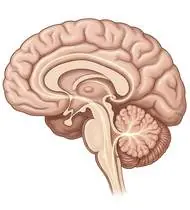
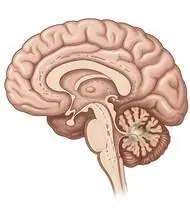
Cerebellar Ataxia — Overview
Cerebellar Ataxia is a disorder of motor coordination, timing, force scaling (synergy), and postural equilibrium resulting from lesions of the cerebellum or its afferent/efferent peduncles (stroke, MS, spinocerebellar ataxia [SCA], tumor, alcohol/toxic, or post-infectious cerebellitis)—occurring in the absence of primary muscle paralysis. Because the cerebellum acts as the brain's real-time 'error-comparator' (comparing intended cortical motor commands against actual proprioceptive feedback), cerebellar damage produces the classical triad of Dysmetria (overshooting/undershooting targets), Intention Tremor (3–5 Hz oscillation worsening as the limb approaches a target), and Wide-Based Ataxic ('Drunken') Gait. Rehabilitation relies on Frenkel's Coordination Exercises (substituting intact visual and cognitive feedback for lost cerebellar automation) and PNF Rhythmic Stabilization (proximal co-contraction)!
Cerebellar ataxia (cerebellar balance & coordination disorder) occurs when the cerebellum—the brain's fine-tuning center at the base of the skull—has difficulty coordinating the exact timing and distance of movements. Even though your muscles are strong, movements can overshoot their target, hands can tremble as they reach for a cup (intention tremor), and walking feels wide and unsteady. The key to recovery is Frenkel's Method: using your EYES and calm focus to guide slow, exact movements!
Primary Causes & Biomechanics
Key Points You Should Know
- •Vermis & Flocculonodular Lesion (Archicerebellum/Paleocerebellum): Truncal ataxia (titubation), ocular nystagmus, and severe wide-based gait unsteadiness
- •Lateral Hemisphere Lesion (Neocerebellum): Ipsilateral limb ataxia—dysmetria, dysdiadochokinesia (inability to perform rapid alternating movements like supination/pronation), dyssynergia (decomposition of multi-joint movement), rebound phenomenon (Stewart-Holmes), and scanning staccato speech
- •Cerebellar hypotonia and impaired anticipatory postural adjustments (APAs)
- •Precision Beats Strength (Frenkel's Secret): Ataxia is a *coordination* problem, not a muscle-weakness problem! Lifting heavy weights fast does not help; instead, watching your foot or hand with your eyes and moving slowly and smoothly from point A to point B teaches other parts of your brain to take over coordination.
- •Stabilize Your Core & Hips First: When your trunk and hips are steady (through four-point kneeling and bridges), your hands and feet shake much less!
- •Keep Elbows Tucked In When Eating or Writing: Resting your elbows firmly on the table (and using slightly heavier utensils or a two-handed mug) steadies hand tremor immediately.
Assessment Methods
1. Goniometric ROM & Postural / Kinematic Analysis
SARA (Scale for the Assessment and Rating of Ataxia, 0–40 points) or ICARS, testing gait, stance, sitting, speech, finger-chase, nose-finger, fast alternating hand movements, and heel-shin slide.
2. Special Clinical Provocation & Neurological/Functional Tests
Finger-to-Nose & Heel-to-Shin Tests (evaluating dysmetria and intention tremor), Rapid Alternating Movements (dysdiadochokinesia), Stewart-Holmes Rebound Test, and Berg Balance Scale / Tandem Stance.
3. Standardized Clinical Outcome Scales & Imaging Criteria
SARA Score, Berg Balance Scale, Timed Up and Go (TUG), and Dynamic Gait Index (DGI).
1. Range of Motion & Posture Check
Your physiotherapist gently evaluates how comfortably and smoothly your cerebellum (vermis, paravermis/intermediate zone, lateral hemispheres, and flocculonodular lobe) and spinocerebellar pathways moves and checks your overall posture.
2. Muscle Strength & Functional Movement Check
Your muscle balance, walking or reaching comfort, and specific gentle movement tests are evaluated without triggering sharp pain.
3. Typical Symptoms & Daily Impact Review
Wide-Based Unsteady ('Ataxic') Gait: Walking with feet placed wide apart, irregular step lengths, and veering from side to side as if walking on a moving boat.
Treatment Options & Phase-Based Protocol
✨ Enriched GIF Exercise & Precaution GuidePhase 1: Acute Symptom Modulation, Tissue Protection & Early Activation
- •Phase 1 Clinical Focus & Tissue Protection: Phase 1 — Supine Frenkel Precision & Visual Feedback Phase (Gravity Eliminated): Frenkel's Golden Rule: Precision, Smoothness & Visual Concentration—NEVER speed or heavy weights! In supine (broadest base of support), perform visually guided slow heel slides (sliding the heel smoothly along the opposite shin or to marked targets), pelvic bridging, and diaphragmatic/speech-paced breathing.
- •Pain, Edema & Neuromuscular Modulation: Targeted physical modalities, relative load management, and early protected mobility of the cerebellum (vermis, paravermis/intermediate zone, lateral hemispheres, and flocculonodular lobe) and spinocerebellar pathways without provoking mechanical or inflammatory irritation.
- •Proximal & Distal Kinetic Chain Maintenance: Maintain active mobility and circulation in adjacent joints while protecting the primary healing structures in Cerebellar Ataxia.
Phase 2: Progressive Mobility, Motor Control & Targeted Strengthening
- •Phase 2 Progressive Mobilization & Motor Control: Phase 2 — Seated & Quadruped Proximal Co-Contraction (PNF) Phase: Quadruped Bird-Dog / weight-shifting & PNF Rhythmic Stabilization (building shoulder and pelvic girdle stability to dampen distal tremor!), precision forearm supination-pronation & thumb-to-finger opposition, and controlled chair sit-to-stand.
- •Biomechanical Alignment & Co-Contraction: Restore balanced agonist-antagonist force couples, joint centration, and multi-planar neuromuscular control across the cerebellum (vermis, paravermis/intermediate zone, lateral hemispheres, and flocculonodular lobe) and spinocerebellar pathways.
- •Myofascial Extensibility & Endurance: Address secondary compensatory tightness and build local muscular endurance within safe, symptom-free biomechanical parameters.
Phase 3: Functional Integration, Proprioception & Long-Term Prevention
- •Phase 3 Functional Integration & Long-Term Prevention: Phase 3 — Upright Narrowing-Base & Gait Coordination Phase: Supported tandem/weight-shift balance & stepping onto floor target footprints, wall mini-squats, and weighted-walker / light distal cuff stabilization if severe intention tremor interferes with function.
- •Proprioceptive Balance & Dynamic Loading: Progress to task-specific closed-chain, balance, and functional movement patterns tailored to daily life, occupational, or athletic demands.
- •Self-Management & Relapse Prophylaxis: Establish lifelong ergonomic habits, home exercise maintenance, and early warning-sign awareness to prevent recurrence.
Step 1: Calming Pain, Protecting the Area & Gentle Starter Motion
- •Precision Beats Strength (Frenkel's Secret): Ataxia is a *coordination* problem, not a muscle-weakness problem! Lifting heavy weights fast does not help; instead, watching your foot or hand with your eyes and moving slowly and smoothly from point A to point B teaches other parts of your brain to take over coordination.
- •Calm Protection & Gentle Start: During the initial stage of Cerebellar Balance & Coordination Disorder, avoid painful overloading and perform the gentle, pain-free starter movements shown below to support circulation and comfort.
- •Respecting Your Body's Signals: Every movement should stay within a comfortable, non-painful zone—never force through sharp or radiating pain.
Step 2: Restoring Flexibility & Building Supporting Muscle Strength
- •Stabilize Your Core & Hips First: When your trunk and hips are steady (through four-point kneeling and bridges), your hands and feet shake much less!
- •Step-by-Step Flexibility & Support: As acute sensitivity settles, gradually build mobility and strengthen the supporting muscles around the joint at a steady, controlled pace.
- •Posture & Breathing Coordination: Keep your posture upright and breathe smoothly (never hold your breath!) during every repetition.
Step 3: Safe Daily Habits, Stamina & Preventing Recurrence
- •Keep Elbows Tucked In When Eating or Writing: Resting your elbows firmly on the table (and using slightly heavier utensils or a two-handed mug) steadies hand tremor immediately.
- •Confident Return to Daily Life: Integrate your stronger muscles and improved balance into walking, stairs, work, and recreational activities.
- •Preventing Future Flare-Ups: Continue your core protective habits and key maintenance exercises even after symptoms resolve.
Animated (GIF) Therapeutic Exercise Guide
Animated clinical exercise protocol with biomechanical angles, target muscle groups, and dosage parameters (Click image to enlarge)
Step-by-step animated exercise demonstrations you can safely perform at home (Click image to enlarge)
 🔍 Enlarge
1. Supine Active-Assisted Heel Slide & Synovial Diffusion Mobilization
1. Supine Heel Slide (Gentle Knee & Hip Bending)
Controlled flexion and extension of the lower extremity by sliding the heel along the support surface without axial weight-bearing. Stimulates synovial fluid diffusion across avascular cartilage and prevents capsular adhesions. Specifically indicated in Cerebellar Ataxia rehabilitation to optimize cerebellum (vermis, paravermis/intermediate zone, lateral hemispheres, and flocculonodular lobe) and spinocerebellar pathways biomechanics and neuromuscular control.
While lying on your back, slowly slide your heel along the bed sheet toward your hip within a comfortable, pain-free angle, hold for 3 seconds, and gently slide it back out straight. Perform smoothly within a comfortable, pain-free range to support your Cerebellar Balance & Coordination Disorder recovery.
 🔍 Enlarge
2. Supine Lumbopelvic Bridging (Gluteus Maximus & Posterior Chain Co-Contraction)
2. Supine Hip Bridge (Controlled Pelvic Lift)
From hook-lying with transversus abdominis pre-activation, elevating the pelvis until hips, pelvis, and shoulders form a neutral diagonal line. Strengthens the gluteus maximus, hamstrings, and erector spinae synergy without lumbar hyperlordosis. Specifically indicated in Cerebellar Ataxia rehabilitation to optimize cerebellum (vermis, paravermis/intermediate zone, lateral hemispheres, and flocculonodular lobe) and spinocerebellar pathways biomechanics and neuromuscular control.
Lie on your back with your knees bent and feet flat hip-width apart. Gently tighten your tummy and glutes, lift your hips until your body forms a straight line from shoulders to knees, hold for 5 seconds, and lower slowly. Perform smoothly within a comfortable, pain-free range to support your Cerebellar Balance & Coordination Disorder recovery.
 🔍 Enlarge
3. Quadruped Contralateral Arm-Leg Reach ('Bird-Dog' Multifidus & Deep Core)
3. All-Fours Opposite Arm & Leg Reach (Bird-Dog)
In quadruped with a neutral lumbopelvic spine and abdominal drawing-in (transversus abdominis), extending opposite upper and lower extremities horizontally without pelvic rotation or lumbar hyperextension. Minimizes spinal compressive load while maximizing multifidus recruitment. Specifically indicated in Cerebellar Ataxia rehabilitation to optimize cerebellum (vermis, paravermis/intermediate zone, lateral hemispheres, and flocculonodular lobe) and spinocerebellar pathways biomechanics and neuromuscular control.
On your hands and knees, keep your back flat like a tabletop and gently tighten your tummy. Slowly reach one arm forward and the opposite leg straight back withoutarching your lower back, hold for 5 seconds, and switch sides. Perform smoothly within a comfortable, pain-free range to support your Cerebellar Balance & Coordination Disorder recovery.
 🔍 Enlarge
4. Towel-Supported Glenohumeral External Rotation (Infraspinatus & Teres Minor)
4. Outward Forearm Rotation with Rolled Towel Under Elbow
External rotation performed at 90° elbow flexion with a rolled towel placed between the elbow and trunk (20°–30° scaption). Enhances infraspinatus/teres minor recruitment while preventing superior humeral head migration and deltoid shear. Specifically indicated in Cerebellar Ataxia rehabilitation to optimize cerebellum (vermis, paravermis/intermediate zone, lateral hemispheres, and flocculonodular lobe) and spinocerebellar pathways biomechanics and neuromuscular control.
Place a small rolled towel between your elbow and your side with your elbow bent at 90 degrees. Keeping your elbow pressed gently against the towel, rotate your forearm outward, hold for 3 seconds, and return slowly. Perform smoothly within a comfortable, pain-free range to support your Cerebellar Balance & Coordination Disorder recovery.
 🔍 Enlarge
5. Functional Closed-Kinetic-Chain Chair Transfer (Sit-to-Stand Biomechanics)
5. Controlled Chair Sit-to-Stand Transfer
Controlled transition from sitting to standing and eccentric lowering back to the chair with symmetrical weight distribution, anterior trunk inclination ('nose over toes'), and neutral frontal knee alignment. Specifically indicated in Cerebellar Ataxia rehabilitation to optimize cerebellum (vermis, paravermis/intermediate zone, lateral hemispheres, and flocculonodular lobe) and spinocerebellar pathways biomechanics and neuromuscular control.
Sit near the front of a sturdy chair with your feet hip-width apart. Lean slightly forward and push evenly through both heels to stand up tall, then slowly lower yourself back down over 3 seconds. Perform smoothly within a comfortable, pain-free range to support your Cerebellar Balance & Coordination Disorder recovery.
 🔍 Enlarge
6. Single-Leg / Semi-Tandem Proprioceptive & Weight-Shift Balance Training
6. Supported Weight-Shifting & Tandem Balance Practice
Controlled mediolateral/anteroposterior weight shifting and tandem or single-leg stance near a stable support. Enhances mechanoreceptor feedback, ankle/hip postural reflexes, and dynamic gait stability. Specifically indicated in Cerebellar Ataxia rehabilitation to optimize cerebellum (vermis, paravermis/intermediate zone, lateral hemispheres, and flocculonodular lobe) and spinocerebellar pathways biomechanics and neuromuscular control.
Stand near a counter or sturdy chair for safety. Place one foot slightly in front of the other (or shift your weight smoothly from side to side) and hold your balance upright for 20–30 seconds. Perform smoothly within a comfortable, pain-free range to support your Cerebellar Balance & Coordination Disorder recovery.
Movements to Avoid & Strict Precautions
1. Fast, Jerky, Uncontrolled Movements or Exercising Without Watching the Limb (Reinforces Clumsy Motor Patterns!)
1. Moving quickly or carelessly without watching your foot/hand placement (always move slowly and smoothly with full visual focus!)
2. Continuing to Practice When Fatigued (Fatigue Immediately Degrades Cerebellar Coordination!)
2. Continuing exercises once you feel tired and movements start getting shaky (take frequent 2-minute rests!)
3. Walking in the Dark or on Cluttered Floors Without Nightlights (Vision Is Essential to Compensate for Ataxia!)
3. Walking in dark hallways at night without lights on (your eyes help your balance!)
4. Reaching With Outstretched Unsupported Arms While Holding Hot Liquids
4. Carrying hot tea or soup with outstretched arms (use a rolling cart or travel mug with a lid)
Cerebellar Ataxia — Video Guide
Click directly on any video to open and watch in a window, or review details via 📋 Summary & Options.
Condition Overview Video (1 Video)
Summary of pathophysiology, biomechanics, and clinical presentation
What the condition is, why it develops, and its basic mechanism

What Is Cerebellar Ataxia? Specialized Balance and Coordination Exercises
Cerebellar Ataxia is a disorder of motor coordination, timing, force scaling (synergy), and postural equilibrium resulting from lesions of the cerebellum or its afferent/efferent peduncles (stroke, MS, spinocerebellar ataxia [SCA], tumor, alcohol/toxic, or post-infectious cerebellitis)—occurring in the absence of primary muscle paralysis. Because the cerebellum acts as the brain's real-time 'error-comparator' (comparing intended cortical motor commands against actual proprioceptive feedback), cerebellar damage produces the classical triad of Dysmetria (overshooting/undershooting targets), Intention Tremor (3–5 Hz oscillation worsening as the limb approaches a target), and Wide-Based Ataxic ('Drunken') Gait. Rehabilitation relies on Frenkel's Coordination Exercises (substituting intact visual and cognitive feedback for lost cerebellar automation) and PNF Rhythmic Stabilization (proximal co-contraction)!
Cerebellar ataxia (cerebellar balance & coordination disorder) occurs when the cerebellum—the brain's fine-tuning center at the base of the skull—has difficulty coordinating the exact timing and distance of movements. Even though your muscles are strong, movements can overshoot their target, hands can tremble as they reach for a cup (intention tremor), and walking feels wide and unsteady. The key to recovery is Frenkel's Method: using your EYES and calm focus to guide slow, exact movements!
Treatment and Exercise Videos
Phase-based physiotherapy protocols, mobilization, and therapeutic exercises
Step-by-step recovery and safe home exercise applications

Frenkel Coordination Exercises — Cerebellar Ataxia Rehabilitation
Phase 1: Acute Symptom Modulation, Tissue Protection & Early Activation: Phase 1 Clinical Focus & Tissue Protection: Phase 1 — Supine Frenkel Precision & Visual Feedback Phase (Gravity Eliminated): Frenkel's Golden Rule: Precision, Smoothness & Visual Concentration—NEVER speed or heavy weights! In supine (broadest base of support), perform visually guided slow heel slides (sliding the heel smoothly along the opposite shin or to marked targets), pelvic bridging, and diaphragmatic/speech-paced breathing.
Step 1: Calming Pain, Protecting the Area & Gentle Starter Motion: Precision Beats Strength (Frenkel's Secret): Ataxia is a *coordination* problem, not a muscle-weakness problem! Lifting heavy weights fast does not help; instead, watching your foot or hand with your eyes and moving slowly and smoothly from point A to point B teaches other parts of your brain to take over coordination.

Frenkel Coordination Exercises Application Guide (Supine and Seated Phases)
Phase 2: Progressive Mobility, Motor Control & Targeted Strengthening: Phase 2 Progressive Mobilization & Motor Control: Phase 2 — Seated & Quadruped Proximal Co-Contraction (PNF) Phase: Quadruped Bird-Dog / weight-shifting & PNF Rhythmic Stabilization (building shoulder and pelvic girdle stability to dampen distal tremor!), precision forearm supination-pronation & thumb-to-finger opposition, and controlled chair sit-to-stand.
Step 2: Restoring Flexibility & Building Supporting Muscle Strength: Stabilize Your Core & Hips First: When your trunk and hips are steady (through four-point kneeling and bridges), your hands and feet shake much less!

Static and Dynamic Balance Training in Neurological Rehabilitation
Phase 3: Functional Integration, Proprioception & Long-Term Prevention: Phase 3 Functional Integration & Long-Term Prevention: Phase 3 — Upright Narrowing-Base & Gait Coordination Phase: Supported tandem/weight-shift balance & stepping onto floor target footprints, wall mini-squats, and weighted-walker / light distal cuff stabilization if severe intention tremor interferes with function.
Step 3: Safe Daily Habits, Stamina & Preventing Recurrence: Keep Elbows Tucked In When Eating or Writing: Resting your elbows firmly on the table (and using slightly heavier utensils or a two-handed mug) steadies hand tremor immediately.
Clinical Assessment, Goniometry & Special Test Videos
Displayed only in Healthcare Professional mode (hidden in Patient mode)

Berg Balance Scale (BBS) — Clinical Postural Control and Balance Examination
Goniometric ROM & Postural / Kinematic Analysis: SARA (Scale for the Assessment and Rating of Ataxia, 0–40 points) or ICARS, testing gait, stance, sitting, speech, finger-chase, nose-finger, fast alternating hand movements, and heel-shin slide.

Systematic Neurological Examination: Reflex, Sensory, Tone, and Motor Assessment
Special Clinical Provocation & Neurological/Functional Tests: Finger-to-Nose & Heel-to-Shin Tests (evaluating dysmetria and intention tremor), Rapid Alternating Movements (dysdiadochokinesia), Stewart-Holmes Rebound Test, and Berg Balance Scale / Tandem Stance.