Obstructive Sleep Apnea Syndrome (OSAS)Sleep Apnea (Breathing Pauses in Sleep) (Obstructive Sleep Apnea Syndrome)
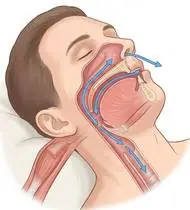
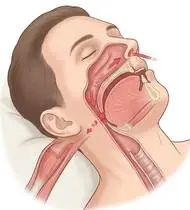
Obstructive Sleep Apnea Syndrome (OSAS) — Overview
Obstructive Sleep Apnea Syndrome (OSAS) is a sleep-related breathing disorder characterized by recurrent partial (hypopnea) or complete (apnea ≥10 seconds) collapse of the pharyngeal upper airway during sleep despite ongoing diaphragmatic inspiratory effort (diagnosed via Polysomnography: Apnea-Hypopnea Index [AHI] ≥5/h with symptoms or ≥15/h). During wakefulness, reflex tone of the upper airway dilator muscles (primarily M. genioglossus of the tongue and soft-palate elevators) keeps the collapsible pharynx open; during REM and deep sleep, loss of neuromuscular tone combined with peripharyngeal fat deposition, daytime rostral fluid shift from the legs to the neck when lying supine, and forward-head craniocervical posture causes pharyngeal occlusion, intermittent nocturnal hypoxia, sympathetic surges (hypertension/arrhythmia), and severe daytime somnolence. CLINICAL BREAKTHROUGH: Oropharyngeal Myofunctional Therapy (strengthening tongue/palate muscles) + Afternoon Calf-Pump/Aerobic Exercise (draining leg fluid before bedtime!) reduces AHI by ~35–50% and stops snoring!
Obstructive Sleep Apnea Syndrome (OSAS / breathing pauses during sleep) occurs when the muscles of the tongue base and soft palate relax too much during sleep, allowing the throat airway to narrow or close for 10 seconds or more at a time. This causes loud snoring, drops in nighttime oxygen, morning headaches, and daytime exhaustion. Alongside CPAP or dental appliances, two remarkable physiotherapy habits—1) 'Gym Exercises' for your tongue and throat muscles and 2) Late-afternoon calf & walking exercises—are clinically proven to cut sleep apnea events by 35–50%!
Primary Causes & Biomechanics
Key Points You Should Know
- •Anatomical narrowing (elevated BMI / neck circumference >43 cm in men or >40 cm in women, retrognathia, tonsillar hypertrophy) combined with genioglossus neuromuscular hypotonia during sleep
- •Nocturnal Rostral Fluid Shift Phenomenon: Fluid that pools in the lower legs during daytime sitting shifts upward into the neck tissues within 1–2 hours of lying flat in bed—narrowing the pharyngeal airway!
- •Craniocervical Posture Connection: Forward head posture and mouth-breathing drop the tongue base posteriorly into the oropharynx
- •Why 'Tongue Gym' Exercises Stop Snoring and Apnea: Just like weak leg muscles, a weak tongue falls backward when you sleep on your back! Pressing the tip and full body of your tongue firmly against the roof of your mouth for 5–6 seconds (3 times a day) tones the genioglossus muscle so your airway stays open all night.
- •The Fascinating 'Leg-to-Neck Fluid Shift' Discovery: During the day, gravity pulls up to a cup of fluid into your calves and ankles. When you lie down flat at night, that fluid flows up into your neck tissues, swelling the throat walls shut! Doing 40 minutes of brisk walking + calf raises and ankle pumps in the late afternoon flushes that fluid out before bedtime!
- •Sleep on Your Side (The Tennis-Ball / Side-Pillow Trick): Gravity pulls the tongue straight backward when you sleep flat on your back; sleeping on your side cuts apnea pauses in half!
Assessment Methods
1. Goniometric ROM & Postural / Kinematic Analysis
Polysomnography Apnea-Hypopnea Index (AHI: Mild 5–15, Moderate 15–30, Severe >30 events/hour), Epworth Sleepiness Scale (ESS, 0–24; >10 indicates excessive daytime sleepiness), and STOP-BANG Questionnaire.
2. Special Clinical Provocation & Neurological/Functional Tests
Neck circumference (cm), Mallampati oropharyngeal score (I–IV), nasal patency & tongue resting posture (roof of mouth vs. floor of mouth), and 6-Minute Walk Test.
3. Standardized Clinical Outcome Scales & Imaging Criteria
AHI (events/hour), Nocturnal Nadir SpO2 (%), Epworth Sleepiness Scale (ESS), and CPAP adherence (hours/night).
1. Range of Motion & Posture Check
Your physiotherapist gently evaluates how comfortably and smoothly your pharyngeal upper airway dilator muscles (M. genioglossus, tensor/levator veli palatini, palatopharyngeus) and craniocervical posture moves and checks your overall posture.
2. Muscle Strength & Functional Movement Check
Your muscle balance, walking or reaching comfort, and specific gentle movement tests are evaluated without triggering sharp pain.
3. Typical Symptoms & Daily Impact Review
Loud, Chronic Snoring Interrupted by Silent Breathing Pauses (Apneas) Followed by a Gasping or Snorting Sound (usually noticed by a bed partner).
Treatment Options & Phase-Based Protocol
✨ Enriched GIF Exercise & Precaution GuidePhase 1: Acute Symptom Modulation, Tissue Protection & Early Activation
- •Phase 1 Clinical Focus & Tissue Protection: Phase 1 — Oropharyngeal Myofunctional Therapy & Nasal Tongue-Up Posture Phase: Train the physiological Tongue-on-Palate resting posture (Rocabado 'N-spot' with nasal breathing and lips sealed!); perform daily Oropharyngeal Myofunctional Exercises (pressing the entire tongue flat against the hard palate and sliding it backward ['tongue-suction slide'], soft-palate 'AH' elevations, and buccinator cheek presses) plus craniocervical Chin-Tuck alignment.
- •Pain, Edema & Neuromuscular Modulation: Targeted physical modalities, relative load management, and early protected mobility of the pharyngeal upper airway dilator muscles (M. genioglossus, tensor/levator veli palatini, palatopharyngeus) and craniocervical posture without provoking mechanical or inflammatory irritation.
- •Proximal & Distal Kinetic Chain Maintenance: Maintain active mobility and circulation in adjacent joints while protecting the primary healing structures in Obstructive Sleep Apnea Syndrome.
Phase 2: Progressive Mobility, Motor Control & Targeted Strengthening
- •Phase 2 Progressive Mobilization & Motor Control: Phase 2 — Late-Afternoon Calf-Pump Fluid Decongestion Phase (Prevents Nocturnal Neck Fluid Shift!): Perform rhythmic ankle pumps, bilateral heel raises (calf raises), and a 30–40 min brisk walk in the late afternoon (2–3 hours before bed)—this pumps pooled interstitial fluid out of the lower legs so it does not migrate into the neck pharyngeal wall at night!
- •Biomechanical Alignment & Co-Contraction: Restore balanced agonist-antagonist force couples, joint centration, and multi-planar neuromuscular control across the pharyngeal upper airway dilator muscles (M. genioglossus, tensor/levator veli palatini, palatopharyngeus) and craniocervical posture.
- •Myofascial Extensibility & Endurance: Address secondary compensatory tightness and build local muscular endurance within safe, symptom-free biomechanical parameters.
Phase 3: Functional Integration, Proprioception & Long-Term Prevention
- •Phase 3 Functional Integration & Long-Term Prevention: Phase 3 — Aerobic Metabolic Conditioning, Positional Therapy & CPAP Integration Phase: 150–200 min/week of moderate aerobic + resistance exercise (squats, bridges, sit-to-stand, thoracic expansion)—note that exercise reduces AHI by ~30% even BEFORE weight loss occurs!—combined with Lateral (Side-Sleeping) Positional Therapy and CPAP mask desensitization/support.
- •Proprioceptive Balance & Dynamic Loading: Progress to task-specific closed-chain, balance, and functional movement patterns tailored to daily life, occupational, or athletic demands.
- •Self-Management & Relapse Prophylaxis: Establish lifelong ergonomic habits, home exercise maintenance, and early warning-sign awareness to prevent recurrence.
Step 1: Calming Pain, Protecting the Area & Gentle Starter Motion
- •Why 'Tongue Gym' Exercises Stop Snoring and Apnea: Just like weak leg muscles, a weak tongue falls backward when you sleep on your back! Pressing the tip and full body of your tongue firmly against the roof of your mouth for 5–6 seconds (3 times a day) tones the genioglossus muscle so your airway stays open all night.
- •Calm Protection & Gentle Start: During the initial stage of Sleep Apnea (Breathing Pauses in Sleep), avoid painful overloading and perform the gentle, pain-free starter movements shown below to support circulation and comfort.
- •Respecting Your Body's Signals: Every movement should stay within a comfortable, non-painful zone—never force through sharp or radiating pain.
Step 2: Restoring Flexibility & Building Supporting Muscle Strength
- •The Fascinating 'Leg-to-Neck Fluid Shift' Discovery: During the day, gravity pulls up to a cup of fluid into your calves and ankles. When you lie down flat at night, that fluid flows up into your neck tissues, swelling the throat walls shut! Doing 40 minutes of brisk walking + calf raises and ankle pumps in the late afternoon flushes that fluid out before bedtime!
- •Step-by-Step Flexibility & Support: As acute sensitivity settles, gradually build mobility and strengthen the supporting muscles around the joint at a steady, controlled pace.
- •Posture & Breathing Coordination: Keep your posture upright and breathe smoothly (never hold your breath!) during every repetition.
Step 3: Safe Daily Habits, Stamina & Preventing Recurrence
- •Sleep on Your Side (The Tennis-Ball / Side-Pillow Trick): Gravity pulls the tongue straight backward when you sleep flat on your back; sleeping on your side cuts apnea pauses in half!
- •Confident Return to Daily Life: Integrate your stronger muscles and improved balance into walking, stairs, work, and recreational activities.
- •Preventing Future Flare-Ups: Continue your core protective habits and key maintenance exercises even after symptoms resolve.
Animated (GIF) Therapeutic Exercise Guide
Animated clinical exercise protocol with biomechanical angles, target muscle groups, and dosage parameters (Click image to enlarge)
Step-by-step animated exercise demonstrations you can safely perform at home (Click image to enlarge)
 🔍 Enlarge
1. Craniocervical Axial Retraction ('Chin-Tuck' — Deep Cervical Flexor Activation)
1. Chin-Tuck (Double-Chin) Postural Neck Alignment
Horizontal posterior translation of the cranium and cervical spine without tipping the head up or down. Activates the deep cervical flexors (longus colli/capitis), decompresses suboccipital structures, and opens the lower cervical intervertebral foramina. Specifically indicated in Obstructive Sleep Apnea Syndrome rehabilitation to optimize pharyngeal upper airway dilator muscles (M. genioglossus, tensor/levator veli palatini, palatopharyngeus) and craniocervical posture biomechanics and neuromuscular control.
Sit or stand tall looking straight ahead. Gently glide your chin straight backward (as if making a subtle double chin) without tilting your head down, feel the back of your neck lengthen, hold for 5 seconds, and relax. Perform smoothly within a comfortable, pain-free range to support your Sleep Apnea (Breathing Pauses in Sleep) recovery.
 🔍 Enlarge
2. Diaphragmatic & Pursed-Lip Breathing (PLB — Autonomic & Ventilatory Control)
2. Calm Belly Breathing with Pursed-Lip Exhale
Slow nasal inhalation expanding the lower ribcage and abdomen (while relaxing accessory neck/shoulder muscles), followed by prolonged expiration through pursed lips at a 1:2 ratio. Prevents dynamic airway collapse, improves basal ventilation, and reduces sympathetic tone. Specifically indicated in Obstructive Sleep Apnea Syndrome rehabilitation to optimize pharyngeal upper airway dilator muscles (M. genioglossus, tensor/levator veli palatini, palatopharyngeus) and craniocervical posture biomechanics and neuromuscular control.
Sit comfortably and place one hand on your chest and the other on your belly. Breathe in slowly through your nose for 2–3 seconds so your belly gently rises, then breathe out slowly for 4–6 seconds through pursed lips as if flickering a candle. Perform smoothly within a comfortable, pain-free range to support your Sleep Apnea (Breathing Pauses in Sleep) recovery.
 🔍 Enlarge
3. Closed-Chain Bilateral/Eccentric Heel Raise (Triceps Surae & Achilles Loading)
3. Supported Standing Heel Raise & Slow Lowering
Controlled concentric heel elevation followed by slow (3–4 second) eccentric lowering into neutral dorsiflexion. Stimulates Type I collagen alignment in the Achilles/plantar aponeurosis and builds ankle plantarflexor propulsion. Specifically indicated in Obstructive Sleep Apnea Syndrome rehabilitation to optimize pharyngeal upper airway dilator muscles (M. genioglossus, tensor/levator veli palatini, palatopharyngeus) and craniocervical posture biomechanics and neuromuscular control.
Hold lightly onto a wall or chair back. Rise up onto the balls of both feet, pause at the top, and slowly lower your heels back down to the floor over 3–4 seconds. Perform smoothly within a comfortable, pain-free range to support your Sleep Apnea (Breathing Pauses in Sleep) recovery.
 🔍 Enlarge
4. Functional Closed-Kinetic-Chain Chair Transfer (Sit-to-Stand Biomechanics)
4. Controlled Chair Sit-to-Stand Transfer
Controlled transition from sitting to standing and eccentric lowering back to the chair with symmetrical weight distribution, anterior trunk inclination ('nose over toes'), and neutral frontal knee alignment. Specifically indicated in Obstructive Sleep Apnea Syndrome rehabilitation to optimize pharyngeal upper airway dilator muscles (M. genioglossus, tensor/levator veli palatini, palatopharyngeus) and craniocervical posture biomechanics and neuromuscular control.
Sit near the front of a sturdy chair with your feet hip-width apart. Lean slightly forward and push evenly through both heels to stand up tall, then slowly lower yourself back down over 3 seconds. Perform smoothly within a comfortable, pain-free range to support your Sleep Apnea (Breathing Pauses in Sleep) recovery.
 🔍 Enlarge
5. Scapulothoracic Retraction & Depression (Middle/Lower Trapezius & Rhomboids)
5. Shoulder Blade Squeeze (Postural Alignment)
Adduction and depression of the scapulae via the middle/lower trapezius and rhomboids while inhibiting upper trapezius overactivity. Corrects anterior scapular tilt, widens the subacromial outlet, and unloads the anterior thoracic column. Specifically indicated in Obstructive Sleep Apnea Syndrome rehabilitation to optimize pharyngeal upper airway dilator muscles (M. genioglossus, tensor/levator veli palatini, palatopharyngeus) and craniocervical posture biomechanics and neuromuscular control.
Sit or stand tall. Keep your shoulders relaxed away from your ears, gently draw your shoulder blades together and slightly downward toward your back pockets, hold for 5 seconds, and release. Perform smoothly within a comfortable, pain-free range to support your Sleep Apnea (Breathing Pauses in Sleep) recovery.
 🔍 Enlarge
6. Rhythmic Active Ankle Dorsiflexion & Plantarflexion Pumping (Venous/Edema Pump)
6. Ankle Toe-Pulls and Pointing (Circulation & Swelling Pump)
Rhythmic alternating contraction of the tibialis anterior and gastrocnemius-soleus complex. Activates the deep venous calf pump to prevent deep vein thrombosis (DVT), clears distal edema, and maintains talocrural mobility. Specifically indicated in Obstructive Sleep Apnea Syndrome rehabilitation to optimize pharyngeal upper airway dilator muscles (M. genioglossus, tensor/levator veli palatini, palatopharyngeus) and craniocervical posture biomechanics and neuromuscular control.
While lying down or sitting with your legs supported, pull your toes and feet firmly upward toward your shins, hold for 3 seconds, then point them downward like pressing a gas pedal. Perform smoothly within a comfortable, pain-free range to support your Sleep Apnea (Breathing Pauses in Sleep) recovery.
Movements to Avoid & Strict Precautions
1. Sleeping Flat on Your Back (Supine Position Drops the Tongue Base Directly Into the Airway!)
1. Sleeping flat on your back (always sleep on your side using a body pillow or positional bumper!)
2. Drinking Alcohol within 3–4 Hours of Bedtime or Taking Muscle-Relaxant Sleeping Pills
2. Drinking alcohol in the evening or taking sedative sleeping pills (numbs the throat muscles that keep your airway open!)
3. Habitual Mouth-Breathing During the Day and Night (Drops the Jaw and Tongue Backward!)
3. Breathing through an open mouth instead of keeping your tongue resting on the roof of your mouth and breathing through your nose
4. Sitting Sedentary All Afternoon and Evening (Allows Fluid to Pool in the Calves and Shift to the Neck at Night!)
4. Sitting still all evening without doing ankle pumps or an afternoon walk
Obstructive Sleep Apnea Syndrome (OSAS) — Video Guide
Click directly on any video to open and watch in a window, or review details via 📋 Summary & Options.
Condition Overview Video (1 Video)
Summary of pathophysiology, biomechanics, and clinical presentation
What the condition is, why it develops, and its basic mechanism

What Is Obstructive Sleep Apnea Syndrome (OSAS) and Upper Airway Collapse?
Obstructive Sleep Apnea Syndrome (OSAS) is a sleep-related breathing disorder characterized by recurrent partial (hypopnea) or complete (apnea ≥10 seconds) collapse of the pharyngeal upper airway during sleep despite ongoing diaphragmatic inspiratory effort (diagnosed via Polysomnography: Apnea-Hypopnea Index [AHI] ≥5/h with symptoms or ≥15/h). During wakefulness, reflex tone of the upper airway dilator muscles (primarily M. genioglossus of the tongue and soft-palate elevators) keeps the collapsible pharynx open; during REM and deep sleep, loss of neuromuscular tone combined with peripharyngeal fat deposition, daytime rostral fluid shift from the legs to the neck when lying supine, and forward-head craniocervical posture causes pharyngeal occlusion, intermittent nocturnal hypoxia, sympathetic surges (hypertension/arrhythmia), and severe daytime somnolence. CLINICAL BREAKTHROUGH: Oropharyngeal Myofunctional Therapy (strengthening tongue/palate muscles) + Afternoon Calf-Pump/Aerobic Exercise (draining leg fluid before bedtime!) reduces AHI by ~35–50% and stops snoring!
Obstructive Sleep Apnea Syndrome (OSAS / breathing pauses during sleep) occurs when the muscles of the tongue base and soft palate relax too much during sleep, allowing the throat airway to narrow or close for 10 seconds or more at a time. This causes loud snoring, drops in nighttime oxygen, morning headaches, and daytime exhaustion. Alongside CPAP or dental appliances, two remarkable physiotherapy habits—1) 'Gym Exercises' for your tongue and throat muscles and 2) Late-afternoon calf & walking exercises—are clinically proven to cut sleep apnea events by 35–50%!
Treatment and Exercise Videos
Phase-based physiotherapy protocols, mobilization, and therapeutic exercises
Step-by-step recovery and safe home exercise applications

Upper Airway, Tongue, and Oropharyngeal Myofunctional Exercises for Sleep Apnea
Phase 1: Acute Symptom Modulation, Tissue Protection & Early Activation: Phase 1 Clinical Focus & Tissue Protection: Phase 1 — Oropharyngeal Myofunctional Therapy & Nasal Tongue-Up Posture Phase: Train the physiological Tongue-on-Palate resting posture (Rocabado 'N-spot' with nasal breathing and lips sealed!); perform daily Oropharyngeal Myofunctional Exercises (pressing the entire tongue flat against the hard palate and sliding it backward ['tongue-suction slide'], soft-palate 'AH' elevations, and buccinator cheek presses) plus craniocervical Chin-Tuck alignment.
Step 1: Calming Pain, Protecting the Area & Gentle Starter Motion: Why 'Tongue Gym' Exercises Stop Snoring and Apnea: Just like weak leg muscles, a weak tongue falls backward when you sleep on your back! Pressing the tip and full body of your tongue firmly against the roof of your mouth for 5–6 seconds (3 times a day) tones the genioglossus muscle so your airway stays open all night.
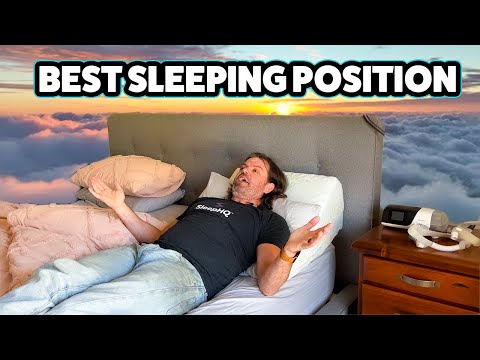
Positional Therapy and Sleep Posture Modification in Sleep Apnea Syndrome
Phase 2: Progressive Mobility, Motor Control & Targeted Strengthening: Phase 2 Progressive Mobilization & Motor Control: Phase 2 — Late-Afternoon Calf-Pump Fluid Decongestion Phase (Prevents Nocturnal Neck Fluid Shift!): Perform rhythmic ankle pumps, bilateral heel raises (calf raises), and a 30–40 min brisk walk in the late afternoon (2–3 hours before bed)—this pumps pooled interstitial fluid out of the lower legs so it does not migrate into the neck pharyngeal wall at night!
Step 2: Restoring Flexibility & Building Supporting Muscle Strength: The Fascinating 'Leg-to-Neck Fluid Shift' Discovery: During the day, gravity pulls up to a cup of fluid into your calves and ankles. When you lie down flat at night, that fluid flows up into your neck tissues, swelling the throat walls shut! Doing 40 minutes of brisk walking + calf raises and ankle pumps in the late afternoon flushes that fluid out before bedtime!
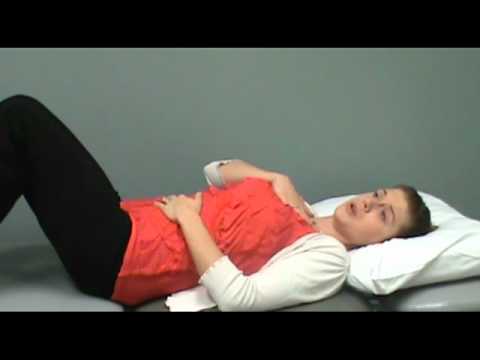
Diaphragmatic Breathing (Abdominal Breathing) Instruction and Clinical Application
Phase 3: Functional Integration, Proprioception & Long-Term Prevention: Phase 3 Functional Integration & Long-Term Prevention: Phase 3 — Aerobic Metabolic Conditioning, Positional Therapy & CPAP Integration Phase: 150–200 min/week of moderate aerobic + resistance exercise (squats, bridges, sit-to-stand, thoracic expansion)—note that exercise reduces AHI by ~30% even BEFORE weight loss occurs!—combined with Lateral (Side-Sleeping) Positional Therapy and CPAP mask desensitization/support.
Step 3: Safe Daily Habits, Stamina & Preventing Recurrence: Sleep on Your Side (The Tennis-Ball / Side-Pillow Trick): Gravity pulls the tongue straight backward when you sleep flat on your back; sleeping on your side cuts apnea pauses in half!
Clinical Assessment, Goniometry & Special Test Videos
Displayed only in Healthcare Professional mode (hidden in Patient mode)

Systematic Respiratory Physical Examination (Inspection, Palpation, Percussion, Auscultation)
Goniometric ROM & Postural / Kinematic Analysis: Polysomnography Apnea-Hypopnea Index (AHI: Mild 5–15, Moderate 15–30, Severe >30 events/hour), Epworth Sleepiness Scale (ESS, 0–24; >10 indicates excessive daytime sleepiness), and STOP-BANG Questionnaire.

Why and How Is the 6-Minute Walk Test (6MWT) Performed? Functional Capacity Assessment
Special Clinical Provocation & Neurological/Functional Tests: Neck circumference (cm), Mallampati oropharyngeal score (I–IV), nasal patency & tongue resting posture (roof of mouth vs. floor of mouth), and 6-Minute Walk Test.