Cystic FibrosisThick Mucus & Exocrine Gland Disorder (Cystic Fibrosis)
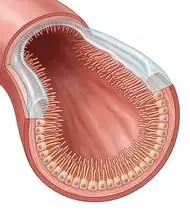
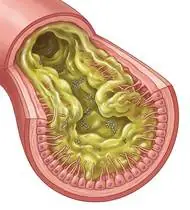
Cystic Fibrosis — Overview
Cystic Fibrosis (CF) is an autosomal recessive multisystem disorder caused by mutations in the CFTR (Cystic Fibrosis Transmembrane Conductance Regulator) gene (most commonly F508del), which impairs epithelial chloride and bicarbonate secretion while causing excessive sodium and water reabsorption (ENaC hyperactivity). This dehydrates the periciliary airway surface liquid, producing viscous, tenacious mucus plaques, halting mucociliary clearance, and triggering chronic endobronchial infection (*S. aureus, P. aeruginosa*) and upper-lobe predominant cylindrical/cystic bronchiectasis. Even in the transformative era of CFTR modulator therapy (Elexacaftor/Tezacaftor/Ivacaftor — Trikafta/Kaftrio), daily Airway Clearance (Autogenic Drainage / ACBT / PEP), high-intensity aerobic exercise (which activates alternative calcium-dependent chloride channels to hydrate mucus!), and thoracic kyphosis prevention remain lifelong cornerstones!
Cystic fibrosis (CF) is a genetic condition affecting the salt-and-water channels (CFTR) on the surface of the lungs and digestive system, making lung mucus thicker and sweat much saltier. Alongside modern CF medications, daily airway clearance ('huffing' & PEP/Autogenic Drainage) and active sports/exercise work together like a powerhouse team—keeping the airways hydrated and clear, protecting a tall upright posture, and building strong bones and lungs!
Primary Causes & Biomechanics
Key Points You Should Know
- •CFTR channel defect dehydrating airway mucus, blocking pancreatic exocrine ducts (malabsorption/pancreatic insufficiency in 85%), and causing 3–5x excessive salt (NaCl) loss in sweat
- •Why Exercise Is a 'Natural Mucolytic' in CF: Aerobic exercise inhibits epithelial sodium absorption (ENaC), creates turbulent shear airflow, and stimulates deep tidal breaths that mobilize mucus on par with chest physiotherapy!
- •Musculoskeletal Complications of CF: Thoracic Hyperkyphosis (from chronic hyperinflation and coughing), CF-Related Bone Disease (osteopenia/osteoporosis from Vitamin D/K malabsorption), and Stress Urinary Incontinence (from chronic coughing)
- • Getting the Timing Order of Inhalers & Physiotherapy Right: Always take your airway-opening puff and mucus-thinning nebulizer (hypertonic saline / Pulmozyme) BEFORE doing your airway clearance exercises so the mucus is liquid and easy to huff out! If you use an inhaled antibiotic, always take it LAST—after your lungs are completely cleared so the medicine reaches deep into clean airways.
- •Why Sports & Running Actually Thin Your Mucus: Exercise doesn't just build stamina—breathing deeply during sports changes the salt balance on the airway lining, drawing water into the mucus and loosening it naturally!
- •The Salty Drink & High-Calorie Rule: Because children and adults with CF lose 3 to 5 times more salt in their sweat, plain water alone is not enough during summer or sports—always drink electrolyte/slightly salted drinks and enjoy high-calorie snacks around exercise!
Assessment Methods
1. Goniometric ROM & Postural / Kinematic Analysis
Spirometry (FEV1 % predicted is the primary prognostic marker in CF!), Lung Clearance Index (LCI), 6-Minute Walk Test / Modified Shuttle Test / CPET (VO2peak), and Sweat Chloride Test (>60 mmol/L).
2. Special Clinical Provocation & Neurological/Functional Tests
Thoracic Spine Kyphosis & Chest Wall Mobility Goniometry, 24-hour sputum volume/color, Pelvic Floor Stress Incontinence Screen (during coughing/huffing), and DEXA Bone Density.
3. Standardized Clinical Outcome Scales & Imaging Criteria
FEV1 (% predicted), VO2peak / 6MWT, CFQR (Cystic Fibrosis Questionnaire-Revised), and BMI percentile.
1. Range of Motion & Posture Check
Your physiotherapist gently evaluates how comfortably and smoothly your exocrine epithelial chloride channels (CFTR gene on chromosome 7q31.2), bronchial airways, pancreas, and sweat glands moves and checks your overall posture.
2. Muscle Strength & Functional Movement Check
Your muscle balance, walking or reaching comfort, and specific gentle movement tests are evaluated without triggering sharp pain.
3. Typical Symptoms & Daily Impact Review
Persistent productive cough with thick, tenacious sputum, recurrent sinus and chest infections, and wheezing or breathlessness during exertion.
Treatment Options & Phase-Based Protocol
✨ Enriched GIF Exercise & Precaution GuidePhase 1: Acute Symptom Modulation, Tissue Protection & Early Activation
- •Phase 1 Clinical Focus & Tissue Protection: Phase 1 — Synchronized Inhalation + Airway Clearance Phase (Daily Lifelong Routine!): Follow the Strict Chronological Sequence: 1) Bronchodilator -> 2) Hypertonic Saline (7%) / Dornase Alfa (Pulmozyme, which cleaves neutrophil DNA strands in pus!) -> 3) Airway Clearance Physiotherapy (Autogenic Drainage, ACBT/Huffing, PEP Mask, or High-Frequency Chest Wall Oscillation Vest) -> 4) Inhaled Antibiotics (last, into clean airways!).
- •Pain, Edema & Neuromuscular Modulation: Targeted physical modalities, relative load management, and early protected mobility of the exocrine epithelial chloride channels (CFTR gene on chromosome 7q31.2), bronchial airways, pancreas, and sweat glands without provoking mechanical or inflammatory irritation.
- •Proximal & Distal Kinetic Chain Maintenance: Maintain active mobility and circulation in adjacent joints while protecting the primary healing structures in Cystic Fibrosis.
Phase 2: Progressive Mobility, Motor Control & Targeted Strengthening
- •Phase 2 Progressive Mobilization & Motor Control: Phase 2 — Anti-Kyphotic Thoracic Mobility & Pelvic Floor Co-Contraction Phase: Thoracic expansion exercises with bilateral arm elevation, wall-referenced axial spinal extension & scapular retraction, pectoral/latissimus stretching, and 'The Knack' (pre-contracting the pelvic floor before every huff/cough!).
- •Biomechanical Alignment & Co-Contraction: Restore balanced agonist-antagonist force couples, joint centration, and multi-planar neuromuscular control across the exocrine epithelial chloride channels (CFTR gene on chromosome 7q31.2), bronchial airways, pancreas, and sweat glands.
- •Myofascial Extensibility & Endurance: Address secondary compensatory tightness and build local muscular endurance within safe, symptom-free biomechanical parameters.
Phase 3: Functional Integration, Proprioception & Long-Term Prevention
- •Phase 3 Functional Integration & Long-Term Prevention: Phase 3 — Aerobic + Resistance Exercise, Calorie & Salt Replacement Phase: 30–45 min of enjoyable aerobic + resistance exercise (running, cycling, swimming, squats, bridges, sit-to-stand)—always providing high-calorie enzymatic nutrition AND salted fluids/electrolytes before, during, and after exercise in warm weather to prevent hyponatremic heat exhaustion!
- •Proprioceptive Balance & Dynamic Loading: Progress to task-specific closed-chain, balance, and functional movement patterns tailored to daily life, occupational, or athletic demands.
- •Self-Management & Relapse Prophylaxis: Establish lifelong ergonomic habits, home exercise maintenance, and early warning-sign awareness to prevent recurrence.
Step 1: Calming Pain, Protecting the Area & Gentle Starter Motion
- • Getting the Timing Order of Inhalers & Physiotherapy Right: Always take your airway-opening puff and mucus-thinning nebulizer (hypertonic saline / Pulmozyme) BEFORE doing your airway clearance exercises so the mucus is liquid and easy to huff out! If you use an inhaled antibiotic, always take it LAST—after your lungs are completely cleared so the medicine reaches deep into clean airways.
- •Calm Protection & Gentle Start: During the initial stage of Thick Mucus & Exocrine Gland Disorder, avoid painful overloading and perform the gentle, pain-free starter movements shown below to support circulation and comfort.
- •Respecting Your Body's Signals: Every movement should stay within a comfortable, non-painful zone—never force through sharp or radiating pain.
Step 2: Restoring Flexibility & Building Supporting Muscle Strength
- •Why Sports & Running Actually Thin Your Mucus: Exercise doesn't just build stamina—breathing deeply during sports changes the salt balance on the airway lining, drawing water into the mucus and loosening it naturally!
- •Step-by-Step Flexibility & Support: As acute sensitivity settles, gradually build mobility and strengthen the supporting muscles around the joint at a steady, controlled pace.
- •Posture & Breathing Coordination: Keep your posture upright and breathe smoothly (never hold your breath!) during every repetition.
Step 3: Safe Daily Habits, Stamina & Preventing Recurrence
- •The Salty Drink & High-Calorie Rule: Because children and adults with CF lose 3 to 5 times more salt in their sweat, plain water alone is not enough during summer or sports—always drink electrolyte/slightly salted drinks and enjoy high-calorie snacks around exercise!
- •Confident Return to Daily Life: Integrate your stronger muscles and improved balance into walking, stairs, work, and recreational activities.
- •Preventing Future Flare-Ups: Continue your core protective habits and key maintenance exercises even after symptoms resolve.
Animated (GIF) Therapeutic Exercise Guide
Animated clinical exercise protocol with biomechanical angles, target muscle groups, and dosage parameters (Click image to enlarge)
Step-by-step animated exercise demonstrations you can safely perform at home (Click image to enlarge)
 🔍 Enlarge
1. Diaphragmatic & Pursed-Lip Breathing (PLB — Autonomic & Ventilatory Control)
1. Calm Belly Breathing with Pursed-Lip Exhale
Slow nasal inhalation expanding the lower ribcage and abdomen (while relaxing accessory neck/shoulder muscles), followed by prolonged expiration through pursed lips at a 1:2 ratio. Prevents dynamic airway collapse, improves basal ventilation, and reduces sympathetic tone. Specifically indicated in Cystic Fibrosis rehabilitation to optimize exocrine epithelial chloride channels (CFTR gene on chromosome 7q31.2), bronchial airways, pancreas, and sweat glands biomechanics and neuromuscular control.
Sit comfortably and place one hand on your chest and the other on your belly. Breathe in slowly through your nose for 2–3 seconds so your belly gently rises, then breathe out slowly for 4–6 seconds through pursed lips as if flickering a candle. Perform smoothly within a comfortable, pain-free range to support your Thick Mucus & Exocrine Gland Disorder recovery.
 🔍 Enlarge
2. Supine Wand-Assisted (Cane) Active-Assisted Shoulder Elevation
2. Lying Cane/Stick-Assisted Two-Handed Arm Raise
In supine (scapula stabilized against the plinth and gravity eliminated in the final arc), the unaffected upper extremity guides a wand/stick to elevate the affected shoulder smoothly without deltoid-induced superior humeral shear. Specifically indicated in Cystic Fibrosis rehabilitation to optimize exocrine epithelial chloride channels (CFTR gene on chromosome 7q31.2), bronchial airways, pancreas, and sweat glands biomechanics and neuromuscular control.
Lie on your back holding a light stick or cane with both hands. Use your healthy arm to gently guide both arms up overhead as far as comfortable, hold for 3 seconds, and slowly lower. Perform smoothly within a comfortable, pain-free range to support your Thick Mucus & Exocrine Gland Disorder recovery.
 🔍 Enlarge
3. Wall-Referenced Axial Spinal Extension & Postural Decompression
3. Wall-Supported Tall Standing & Back Alignment
Standing with heels, gluteals, thoracic spine, and occiput aligned against a wall while performing axial elongation and gentle scapular/occipital pressure. Corrects thoracic hyperkyphosis and unloads anterior vertebral bodies. Specifically indicated in Cystic Fibrosis rehabilitation to optimize exocrine epithelial chloride channels (CFTR gene on chromosome 7q31.2), bronchial airways, pancreas, and sweat glands biomechanics and neuromuscular control.
Stand with your heels, hips, upper back, and the back of your head lightly touching a wall. Lengthen the crown of your head toward the ceiling, gently press your shoulder blades back, and hold for 5–10 seconds while breathing calmly. Perform smoothly within a comfortable, pain-free range to support your Thick Mucus & Exocrine Gland Disorder recovery.
 🔍 Enlarge
4. Protected Closed-Kinetic-Chain Wall Mini-Squat (0°–40° Safe Arc)
4. Wall-Supported Safe Mini-Squat
Closed-kinetic-chain bilateral knee flexion in the safe 0°–40° arc with the back supported against a wall. Promotes quadriceps-hamstring-gluteal co-contraction and joint proprioception without excessive patellofemoral compression. Specifically indicated in Cystic Fibrosis rehabilitation to optimize exocrine epithelial chloride channels (CFTR gene on chromosome 7q31.2), bronchial airways, pancreas, and sweat glands biomechanics and neuromuscular control.
Lean your back flat against a wall with your feet shoulder-width apart. Slowly bend your knees slightly (30–40 degrees, keeping knees behind toes), hold for 5 seconds, and push back up. Perform smoothly within a comfortable, pain-free range to support your Thick Mucus & Exocrine Gland Disorder recovery.
 🔍 Enlarge
5. Thoracic Expansion Exercise (TEE) with Bilateral Arm Elevation & 3s Inspiratory Hold
5. Chest-Opening Deep Breath with Arm Raise
Synchronizing deep nasal inspiration with bilateral shoulder flexion/abduction and a 3-second end-inspiratory hold before passive/pursed-lip expiration. Opens collateral ventilation channels to prevent basal atelectasis and maintains costovertebral compliance. Specifically indicated in Cystic Fibrosis rehabilitation to optimize exocrine epithelial chloride channels (CFTR gene on chromosome 7q31.2), bronchial airways, pancreas, and sweat glands biomechanics and neuromuscular control.
While sitting upright, breathe in deeply through your nose while opening your arms upward and outward to expand your ribcage. Hold the breath inside for 3 seconds, then exhale slowly while lowering your arms. Perform smoothly within a comfortable, pain-free range to support your Thick Mucus & Exocrine Gland Disorder recovery.
 🔍 Enlarge
6. Scapulothoracic Retraction & Depression (Middle/Lower Trapezius & Rhomboids)
6. Shoulder Blade Squeeze (Postural Alignment)
Adduction and depression of the scapulae via the middle/lower trapezius and rhomboids while inhibiting upper trapezius overactivity. Corrects anterior scapular tilt, widens the subacromial outlet, and unloads the anterior thoracic column. Specifically indicated in Cystic Fibrosis rehabilitation to optimize exocrine epithelial chloride channels (CFTR gene on chromosome 7q31.2), bronchial airways, pancreas, and sweat glands biomechanics and neuromuscular control.
Sit or stand tall. Keep your shoulders relaxed away from your ears, gently draw your shoulder blades together and slightly downward toward your back pockets, hold for 5 seconds, and release. Perform smoothly within a comfortable, pain-free range to support your Thick Mucus & Exocrine Gland Disorder recovery.
Movements to Avoid & Strict Precautions
1. Using PEP Masks, Oscillatory Devices, or Vigorous Huffing During a Pneumothorax or Active Hemoptysis (STRICTLY CONTRAINDICATED!)
1. NEVER use positive-pressure breathing devices (PEP/Aerobika) or chest vests if you have sudden one-sided chest pain (pneumothorax) or are coughing up fresh red blood!
2. Taking Inhaled Antibiotics BEFORE Clearing Mucus (Wastes the Antibiotic in Sputum That Gets Coughed Out!)
2. Taking inhaled antibiotics before clearing your phlegm (always clear your lungs FIRST, then inhale the antibiotic!)
3. Exercising in Hot Weather Drinking Only Plain Water Without Salt/Electrolytes
3. Exercising in warm weather without replacing salt and extra calories
4. Slouching Over Screens Without Daily Chest-Opening & Back-Extension Stretches
4. Allowing the upper back and shoulders to round forward without daily thoracic extension exercises
Cystic Fibrosis — Video Guide
Click directly on any video to open and watch in a window, or review details via 📋 Summary & Options.
Condition Overview Video (1 Video)
Summary of pathophysiology, biomechanics, and clinical presentation
What the condition is, why it develops, and its basic mechanism

What Is Cystic Fibrosis? Effects on the Respiratory and Exocrine Systems
Cystic Fibrosis (CF) is an autosomal recessive multisystem disorder caused by mutations in the CFTR (Cystic Fibrosis Transmembrane Conductance Regulator) gene (most commonly F508del), which impairs epithelial chloride and bicarbonate secretion while causing excessive sodium and water reabsorption (ENaC hyperactivity). This dehydrates the periciliary airway surface liquid, producing viscous, tenacious mucus plaques, halting mucociliary clearance, and triggering chronic endobronchial infection (*S. aureus, P. aeruginosa*) and upper-lobe predominant cylindrical/cystic bronchiectasis. Even in the transformative era of CFTR modulator therapy (Elexacaftor/Tezacaftor/Ivacaftor — Trikafta/Kaftrio), daily Airway Clearance (Autogenic Drainage / ACBT / PEP), high-intensity aerobic exercise (which activates alternative calcium-dependent chloride channels to hydrate mucus!), and thoracic kyphosis prevention remain lifelong cornerstones!
Cystic fibrosis (CF) is a genetic condition affecting the salt-and-water channels (CFTR) on the surface of the lungs and digestive system, making lung mucus thicker and sweat much saltier. Alongside modern CF medications, daily airway clearance ('huffing' & PEP/Autogenic Drainage) and active sports/exercise work together like a powerhouse team—keeping the airways hydrated and clear, protecting a tall upright posture, and building strong bones and lungs!
Treatment and Exercise Videos
Phase-based physiotherapy protocols, mobilization, and therapeutic exercises
Step-by-step recovery and safe home exercise applications

Postural Drainage, Percussion, and Vibration — Airway Clearance Techniques
Phase 1: Acute Symptom Modulation, Tissue Protection & Early Activation: Phase 1 Clinical Focus & Tissue Protection: Phase 1 — Synchronized Inhalation + Airway Clearance Phase (Daily Lifelong Routine!): Follow the Strict Chronological Sequence: 1) Bronchodilator -> 2) Hypertonic Saline (7%) / Dornase Alfa (Pulmozyme, which cleaves neutrophil DNA strands in pus!) -> 3) Airway Clearance Physiotherapy (Autogenic Drainage, ACBT/Huffing, PEP Mask, or High-Frequency Chest Wall Oscillation Vest) -> 4) Inhaled Antibiotics (last, into clean airways!).
Step 1: Calming Pain, Protecting the Area & Gentle Starter Motion: Getting the Timing Order of Inhalers & Physiotherapy Right: Always take your airway-opening puff and mucus-thinning nebulizer (hypertonic saline / Pulmozyme) BEFORE doing your airway clearance exercises so the mucus is liquid and easy to huff out! If you use an inhaled antibiotic, always take it LAST—after your lungs are completely cleared so the medicine reaches deep into clean airways.
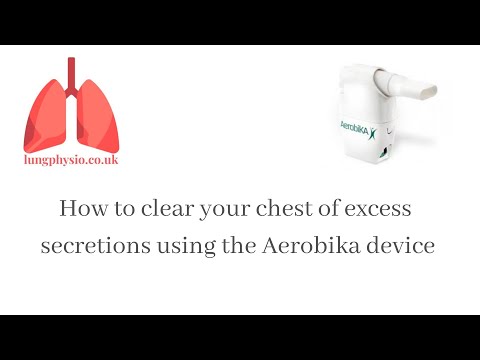
Airway Clearance and Secretion Mobilization Using an Oscillatory PEP (Aerobika) Device
Phase 2: Progressive Mobility, Motor Control & Targeted Strengthening: Phase 2 Progressive Mobilization & Motor Control: Phase 2 — Anti-Kyphotic Thoracic Mobility & Pelvic Floor Co-Contraction Phase: Thoracic expansion exercises with bilateral arm elevation, wall-referenced axial spinal extension & scapular retraction, pectoral/latissimus stretching, and 'The Knack' (pre-contracting the pelvic floor before every huff/cough!).
Step 2: Restoring Flexibility & Building Supporting Muscle Strength: Why Sports & Running Actually Thin Your Mucus: Exercise doesn't just build stamina—breathing deeply during sports changes the salt balance on the airway lining, drawing water into the mucus and loosening it naturally!
Clinical Assessment, Goniometry & Special Test Videos
Displayed only in Healthcare Professional mode (hidden in Patient mode)

Systematic Respiratory Physical Examination (Inspection, Palpation, Percussion, Auscultation)
Goniometric ROM & Postural / Kinematic Analysis: Spirometry (FEV1 % predicted is the primary prognostic marker in CF!), Lung Clearance Index (LCI), 6-Minute Walk Test / Modified Shuttle Test / CPET (VO2peak), and Sweat Chloride Test (>60 mmol/L).

Why and How Is the 6-Minute Walk Test (6MWT) Performed? Functional Capacity Assessment
Special Clinical Provocation & Neurological/Functional Tests: Thoracic Spine Kyphosis & Chest Wall Mobility Goniometry, 24-hour sputum volume/color, Pelvic Floor Stress Incontinence Screen (during coughing/huffing), and DEXA Bone Density.