Bronchial AsthmaAsthma / Reversible Shortness of Breath (Bronchial Asthma)
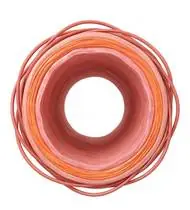
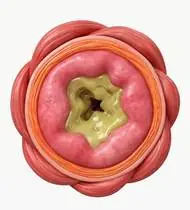
Bronchial Asthma — Overview
Bronchial Asthma is a chronic inflammatory disorder of the conducting airways characterized by bronchial hyperresponsiveness (BHR) and variable, reversible expiratory airflow limitation (post-bronchodilator FEV1 increase >12% and >200 mL) driven by 1) bronchial smooth muscle bronchospasm, 2) mucosal edema, and 3) viscous mucus hypersecretion. During physical exertion, rapid mouth-breathing of cool, dry air causes airway surface liquid osmolarity changes that trigger Exercise-Induced Bronchoconstriction (EIB) (peaking 5–15 minutes after high-intensity exercise) and habitual hyperventilation / dysfunctional upper-chest breathing. Pulmonary physiotherapy retrains nasal-diaphragmatic breathing (Buteyko / Papworth methods) and 15-minute progressive warm-up protocols that induce a protective refractory period against EIB!
Bronchial asthma is a condition in which the airways in the lungs are extra-sensitive and can temporarily narrow due to muscle tightening (bronchospasm) and lining swelling when exposed to triggers or cold, dry air. Asthma should NEVER stop you from exercising or playing sports (many Olympic champions have asthma!)—by always breathing in through your nose, doing a 15-minute gradual warm-up, and mastering calm belly breathing, you can exercise safely and actually make your airways less reactive over time!
Primary Causes & Biomechanics
Key Points You Should Know
- •Type 2 eosinophilic/allergic airway inflammation and vagal cholinergic bronchomotor hyperreactivity
- •Exercise-Induced Bronchoconstriction (EIB) Mechanism: High-minute-volume mouth breathing cools and dehydrates the bronchial mucosa, triggering mast-cell degranulation 5–10 minutes into or after exercise
- •Habitual thoracic hyperventilation (hypocapnia) and accessory neck/pectoral tightness during asymptomatic intervals
- •Why Breathing In Through Your Nose Is Your Secret Weapon: Your nose is a natural air-conditioner: it warms, moistens, and filters the air and produces natural nitric oxide that helps keep airways open! Breathing cold, dry air through an open mouth is the #1 trigger for exercise wheezing ( wear a light scarf/buff over your nose and mouth in cold winter weather!).
- •The 15-Minute Warm-Up Shield ('Refractory Period'): Never sprint from 0 to 100! Warming up gradually for 15 minutes (with a few brief 20-second brisk bursts) desensitizes the airway cells and gives you a 1 to 2-hour 'protective window' against exercise asthma!
- •Calm Downward Belly Breathing: During stress or mild tightness, people naturally gasp with their upper chest and shoulders—which actually worsens airway spasm. Drop your shoulders, lean slightly forward, and breathe slowly into your lower ribs and belly.
Assessment Methods
1. Goniometric ROM & Postural / Kinematic Analysis
Spirometry (FEV1, FVC, FEV1/FVC), Peak Expiratory Flow Rate (PEFR — Personal Best Green ≥80%, Yellow 50–79%, Red <50% zone monitoring!), and Asthma Control Test (ACT, 5–25 points).
2. Special Clinical Provocation & Neurological/Functional Tests
Nijmegen Questionnaire (screening for dysfunctional hyperventilation!), Buteyko Control Pause, posture/pectoral tightness assessment, and 6MWT / Exercise Challenge.
3. Standardized Clinical Outcome Scales & Imaging Criteria
Asthma Control Test (ACT ≥20 indicates well-controlled asthma), PEFR (% personal best), and Borg Dyspnea Scale.
1. Range of Motion & Posture Check
Your physiotherapist gently evaluates how comfortably and smoothly your bronchial smooth muscle, airway mucosa, and autonomic/inflammatory airway reactivity moves and checks your overall posture.
2. Muscle Strength & Functional Movement Check
Your muscle balance, walking or reaching comfort, and specific gentle movement tests are evaluated without triggering sharp pain.
3. Typical Symptoms & Daily Impact Review
Episodic Wheezing (High-Pitched Whistling on Exhalation), Shortness of Breath, Chest Tightness, and Dry Cough—classically worse at night, in the early morning, during viral colds, or 5–15 minutes after vigorous exercise in cold/dry air.
Treatment Options & Phase-Based Protocol
✨ Enriched GIF Exercise & Precaution GuidePhase 1: Acute Symptom Modulation, Tissue Protection & Early Activation
- •Phase 1 Clinical Focus & Tissue Protection: Phase 1 — Nasal-Diaphragmatic Breathing Re-Education (Buteyko / Papworth) & Relaxation Phase: Strict Nasal Inhalation Rule (the nose warms, filters, humidifies air to 100% and releases bronchodilating endogenous Nitric Oxide [NO]!), diaphragmatic breathing with relaxed shoulders, Pursed-Lip Breathing, and Forward-Lean relaxation posture.
- •Pain, Edema & Neuromuscular Modulation: Targeted physical modalities, relative load management, and early protected mobility of the bronchial smooth muscle, airway mucosa, and autonomic/inflammatory airway reactivity without provoking mechanical or inflammatory irritation.
- •Proximal & Distal Kinetic Chain Maintenance: Maintain active mobility and circulation in adjacent joints while protecting the primary healing structures in Bronchial Asthma.
Phase 2: Progressive Mobility, Motor Control & Targeted Strengthening
- •Phase 2 Progressive Mobilization & Motor Control: Phase 2 — Thoracic Cage Mobility & Secretion Clearance Phase: Thoracic expansion exercises with arm elevation, scapular retraction & pectoralis stretching (reversing rounded shoulders from chronic dyspnea), and ACBT / Huffing if mucus plugs are present.
- •Biomechanical Alignment & Co-Contraction: Restore balanced agonist-antagonist force couples, joint centration, and multi-planar neuromuscular control across the bronchial smooth muscle, airway mucosa, and autonomic/inflammatory airway reactivity.
- •Myofascial Extensibility & Endurance: Address secondary compensatory tightness and build local muscular endurance within safe, symptom-free biomechanical parameters.
Phase 3: Functional Integration, Proprioception & Long-Term Prevention
- •Phase 3 Functional Integration & Long-Term Prevention: Phase 3 — EIB-Preventive Warm-Up & Aerobic Conditioning Phase: Mandatory 15-minute graduated submaximal warm-up (including short 15–30s intervals to induce the 2-hour mast-cell refractory period!), pre-exercise SABA bronchodilator 15 min prior if prescribed, swimming in a well-ventilated warm pool (warm, humid air is the #1 least asthmagenic environment!), and lower-limb strength training.
- •Proprioceptive Balance & Dynamic Loading: Progress to task-specific closed-chain, balance, and functional movement patterns tailored to daily life, occupational, or athletic demands.
- •Self-Management & Relapse Prophylaxis: Establish lifelong ergonomic habits, home exercise maintenance, and early warning-sign awareness to prevent recurrence.
Step 1: Calming Pain, Protecting the Area & Gentle Starter Motion
- •Why Breathing In Through Your Nose Is Your Secret Weapon: Your nose is a natural air-conditioner: it warms, moistens, and filters the air and produces natural nitric oxide that helps keep airways open! Breathing cold, dry air through an open mouth is the #1 trigger for exercise wheezing ( wear a light scarf/buff over your nose and mouth in cold winter weather!).
- •Calm Protection & Gentle Start: During the initial stage of Asthma / Reversible Shortness of Breath, avoid painful overloading and perform the gentle, pain-free starter movements shown below to support circulation and comfort.
- •Respecting Your Body's Signals: Every movement should stay within a comfortable, non-painful zone—never force through sharp or radiating pain.
Step 2: Restoring Flexibility & Building Supporting Muscle Strength
- •The 15-Minute Warm-Up Shield ('Refractory Period'): Never sprint from 0 to 100! Warming up gradually for 15 minutes (with a few brief 20-second brisk bursts) desensitizes the airway cells and gives you a 1 to 2-hour 'protective window' against exercise asthma!
- •Step-by-Step Flexibility & Support: As acute sensitivity settles, gradually build mobility and strengthen the supporting muscles around the joint at a steady, controlled pace.
- •Posture & Breathing Coordination: Keep your posture upright and breathe smoothly (never hold your breath!) during every repetition.
Step 3: Safe Daily Habits, Stamina & Preventing Recurrence
- •Calm Downward Belly Breathing: During stress or mild tightness, people naturally gasp with their upper chest and shoulders—which actually worsens airway spasm. Drop your shoulders, lean slightly forward, and breathe slowly into your lower ribs and belly.
- •Confident Return to Daily Life: Integrate your stronger muscles and improved balance into walking, stairs, work, and recreational activities.
- •Preventing Future Flare-Ups: Continue your core protective habits and key maintenance exercises even after symptoms resolve.
Animated (GIF) Therapeutic Exercise Guide
Animated clinical exercise protocol with biomechanical angles, target muscle groups, and dosage parameters (Click image to enlarge)
Step-by-step animated exercise demonstrations you can safely perform at home (Click image to enlarge)
 🔍 Enlarge
1. Diaphragmatic & Pursed-Lip Breathing (PLB — Autonomic & Ventilatory Control)
1. Calm Belly Breathing with Pursed-Lip Exhale
Slow nasal inhalation expanding the lower ribcage and abdomen (while relaxing accessory neck/shoulder muscles), followed by prolonged expiration through pursed lips at a 1:2 ratio. Prevents dynamic airway collapse, improves basal ventilation, and reduces sympathetic tone. Specifically indicated in Bronchial Asthma rehabilitation to optimize bronchial smooth muscle, airway mucosa, and autonomic/inflammatory airway reactivity biomechanics and neuromuscular control.
Sit comfortably and place one hand on your chest and the other on your belly. Breathe in slowly through your nose for 2–3 seconds so your belly gently rises, then breathe out slowly for 4–6 seconds through pursed lips as if flickering a candle. Perform smoothly within a comfortable, pain-free range to support your Asthma / Reversible Shortness of Breath recovery.
 🔍 Enlarge
2. Supine Wand-Assisted (Cane) Active-Assisted Shoulder Elevation
2. Lying Cane/Stick-Assisted Two-Handed Arm Raise
In supine (scapula stabilized against the plinth and gravity eliminated in the final arc), the unaffected upper extremity guides a wand/stick to elevate the affected shoulder smoothly without deltoid-induced superior humeral shear. Specifically indicated in Bronchial Asthma rehabilitation to optimize bronchial smooth muscle, airway mucosa, and autonomic/inflammatory airway reactivity biomechanics and neuromuscular control.
Lie on your back holding a light stick or cane with both hands. Use your healthy arm to gently guide both arms up overhead as far as comfortable, hold for 3 seconds, and slowly lower. Perform smoothly within a comfortable, pain-free range to support your Asthma / Reversible Shortness of Breath recovery.
 🔍 Enlarge
3. Rhythmic Active Ankle Dorsiflexion & Plantarflexion Pumping (Venous/Edema Pump)
3. Ankle Toe-Pulls and Pointing (Circulation & Swelling Pump)
Rhythmic alternating contraction of the tibialis anterior and gastrocnemius-soleus complex. Activates the deep venous calf pump to prevent deep vein thrombosis (DVT), clears distal edema, and maintains talocrural mobility. Specifically indicated in Bronchial Asthma rehabilitation to optimize bronchial smooth muscle, airway mucosa, and autonomic/inflammatory airway reactivity biomechanics and neuromuscular control.
While lying down or sitting with your legs supported, pull your toes and feet firmly upward toward your shins, hold for 3 seconds, then point them downward like pressing a gas pedal. Perform smoothly within a comfortable, pain-free range to support your Asthma / Reversible Shortness of Breath recovery.
 🔍 Enlarge
4. Functional Closed-Kinetic-Chain Chair Transfer (Sit-to-Stand Biomechanics)
4. Controlled Chair Sit-to-Stand Transfer
Controlled transition from sitting to standing and eccentric lowering back to the chair with symmetrical weight distribution, anterior trunk inclination ('nose over toes'), and neutral frontal knee alignment. Specifically indicated in Bronchial Asthma rehabilitation to optimize bronchial smooth muscle, airway mucosa, and autonomic/inflammatory airway reactivity biomechanics and neuromuscular control.
Sit near the front of a sturdy chair with your feet hip-width apart. Lean slightly forward and push evenly through both heels to stand up tall, then slowly lower yourself back down over 3 seconds. Perform smoothly within a comfortable, pain-free range to support your Asthma / Reversible Shortness of Breath recovery.
 🔍 Enlarge
5. Scapulothoracic Retraction & Depression (Middle/Lower Trapezius & Rhomboids)
5. Shoulder Blade Squeeze (Postural Alignment)
Adduction and depression of the scapulae via the middle/lower trapezius and rhomboids while inhibiting upper trapezius overactivity. Corrects anterior scapular tilt, widens the subacromial outlet, and unloads the anterior thoracic column. Specifically indicated in Bronchial Asthma rehabilitation to optimize bronchial smooth muscle, airway mucosa, and autonomic/inflammatory airway reactivity biomechanics and neuromuscular control.
Sit or stand tall. Keep your shoulders relaxed away from your ears, gently draw your shoulder blades together and slightly downward toward your back pockets, hold for 5 seconds, and release. Perform smoothly within a comfortable, pain-free range to support your Asthma / Reversible Shortness of Breath recovery.
 🔍 Enlarge
6. Thoracic Expansion Exercise (TEE) with Bilateral Arm Elevation & 3s Inspiratory Hold
6. Chest-Opening Deep Breath with Arm Raise
Synchronizing deep nasal inspiration with bilateral shoulder flexion/abduction and a 3-second end-inspiratory hold before passive/pursed-lip expiration. Opens collateral ventilation channels to prevent basal atelectasis and maintains costovertebral compliance. Specifically indicated in Bronchial Asthma rehabilitation to optimize bronchial smooth muscle, airway mucosa, and autonomic/inflammatory airway reactivity biomechanics and neuromuscular control.
While sitting upright, breathe in deeply through your nose while opening your arms upward and outward to expand your ribcage. Hold the breath inside for 3 seconds, then exhale slowly while lowering your arms. Perform smoothly within a comfortable, pain-free range to support your Asthma / Reversible Shortness of Breath recovery.
Movements to Avoid & Strict Precautions
1. Starting Intense Sprinting or Cold-Air Running Without a 15-Minute Gradual Warm-Up
1. Sprinting without a 15-minute warm-up, or running with an open mouth in freezing dry air without a scarf/buff
2. Exercising During an Active Asthma Flare, Chest Infection, or High Pollen/Smog Alert (When PEFR Is in the Yellow/Red Zone <80%!)
2. Exercising when you are already wheezing, coughing at night, or your Peak Flow meter is below 80%
3. Gasping With the Upper Chest and Shrugged Shoulders ('Hyperventilation' Blows Off CO2 and Constricts Bronchi!)
3. Taking fast, shallow upper-chest gasps through your mouth
4. Forgetting to Keep Your Rescue Inhaler (Salbutamol/Albuterol) Within Arm's Reach During Exercise
4. Exercising without having your rescue bronchodilator inhaler nearby
Bronchial Asthma — Video Guide
Click directly on any video to open and watch in a window, or review details via 📋 Summary & Options.
Condition Overview Video (1 Video)
Summary of pathophysiology, biomechanics, and clinical presentation
What the condition is, why it develops, and its basic mechanism

What Is Asthma? Airway Hyperresponsiveness, Symptoms, and Management
Bronchial Asthma is a chronic inflammatory disorder of the conducting airways characterized by bronchial hyperresponsiveness (BHR) and variable, reversible expiratory airflow limitation (post-bronchodilator FEV1 increase >12% and >200 mL) driven by 1) bronchial smooth muscle bronchospasm, 2) mucosal edema, and 3) viscous mucus hypersecretion. During physical exertion, rapid mouth-breathing of cool, dry air causes airway surface liquid osmolarity changes that trigger Exercise-Induced Bronchoconstriction (EIB) (peaking 5–15 minutes after high-intensity exercise) and habitual hyperventilation / dysfunctional upper-chest breathing. Pulmonary physiotherapy retrains nasal-diaphragmatic breathing (Buteyko / Papworth methods) and 15-minute progressive warm-up protocols that induce a protective refractory period against EIB!
Bronchial asthma is a condition in which the airways in the lungs are extra-sensitive and can temporarily narrow due to muscle tightening (bronchospasm) and lining swelling when exposed to triggers or cold, dry air. Asthma should NEVER stop you from exercising or playing sports (many Olympic champions have asthma!)—by always breathing in through your nose, doing a 15-minute gradual warm-up, and mastering calm belly breathing, you can exercise safely and actually make your airways less reactive over time!
Treatment and Exercise Videos
Phase-based physiotherapy protocols, mobilization, and therapeutic exercises
Step-by-step recovery and safe home exercise applications
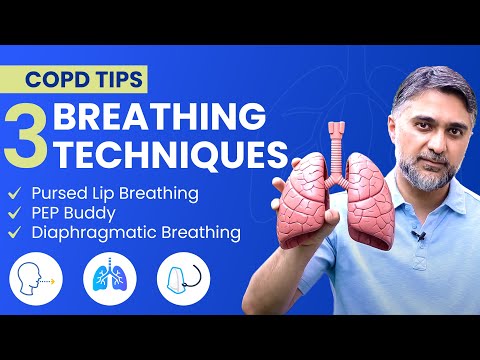
Pulmonary Rehabilitation Interventions in COPD and Asthma Patients
Phase 1: Acute Symptom Modulation, Tissue Protection & Early Activation: Phase 1 Clinical Focus & Tissue Protection: Phase 1 — Nasal-Diaphragmatic Breathing Re-Education (Buteyko / Papworth) & Relaxation Phase: Strict Nasal Inhalation Rule (the nose warms, filters, humidifies air to 100% and releases bronchodilating endogenous Nitric Oxide [NO]!), diaphragmatic breathing with relaxed shoulders, Pursed-Lip Breathing, and Forward-Lean relaxation posture.
Step 1: Calming Pain, Protecting the Area & Gentle Starter Motion: Why Breathing In Through Your Nose Is Your Secret Weapon: Your nose is a natural air-conditioner: it warms, moistens, and filters the air and produces natural nitric oxide that helps keep airways open! Breathing cold, dry air through an open mouth is the #1 trigger for exercise wheezing ( wear a light scarf/buff over your nose and mouth in cold winter weather!).
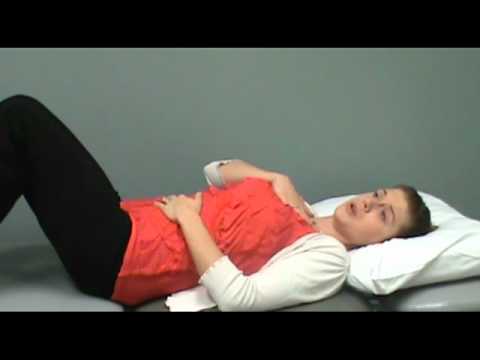
Diaphragmatic Breathing (Abdominal Breathing) Instruction and Clinical Application
Phase 2: Progressive Mobility, Motor Control & Targeted Strengthening: Phase 2 Progressive Mobilization & Motor Control: Phase 2 — Thoracic Cage Mobility & Secretion Clearance Phase: Thoracic expansion exercises with arm elevation, scapular retraction & pectoralis stretching (reversing rounded shoulders from chronic dyspnea), and ACBT / Huffing if mucus plugs are present.
Step 2: Restoring Flexibility & Building Supporting Muscle Strength: The 15-Minute Warm-Up Shield ('Refractory Period'): Never sprint from 0 to 100! Warming up gradually for 15 minutes (with a few brief 20-second brisk bursts) desensitizes the airway cells and gives you a 1 to 2-hour 'protective window' against exercise asthma!

How to Perform Pursed-Lip Breathing (PLB) Technique
Phase 3: Functional Integration, Proprioception & Long-Term Prevention: Phase 3 Functional Integration & Long-Term Prevention: Phase 3 — EIB-Preventive Warm-Up & Aerobic Conditioning Phase: Mandatory 15-minute graduated submaximal warm-up (including short 15–30s intervals to induce the 2-hour mast-cell refractory period!), pre-exercise SABA bronchodilator 15 min prior if prescribed, swimming in a well-ventilated warm pool (warm, humid air is the #1 least asthmagenic environment!), and lower-limb strength training.
Step 3: Safe Daily Habits, Stamina & Preventing Recurrence: Calm Downward Belly Breathing: During stress or mild tightness, people naturally gasp with their upper chest and shoulders—which actually worsens airway spasm. Drop your shoulders, lean slightly forward, and breathe slowly into your lower ribs and belly.
Clinical Assessment, Goniometry & Special Test Videos
Displayed only in Healthcare Professional mode (hidden in Patient mode)

Systematic Respiratory Physical Examination (Inspection, Palpation, Percussion, Auscultation)
Goniometric ROM & Postural / Kinematic Analysis: Spirometry (FEV1, FVC, FEV1/FVC), Peak Expiratory Flow Rate (PEFR — Personal Best Green ≥80%, Yellow 50–79%, Red <50% zone monitoring!), and Asthma Control Test (ACT, 5–25 points).

Why and How Is the 6-Minute Walk Test (6MWT) Performed? Functional Capacity Assessment
Special Clinical Provocation & Neurological/Functional Tests: Nijmegen Questionnaire (screening for dysfunctional hyperventilation!), Buteyko Control Pause, posture/pectoral tightness assessment, and 6MWT / Exercise Challenge.